
Responding To Weather Changes At Heights
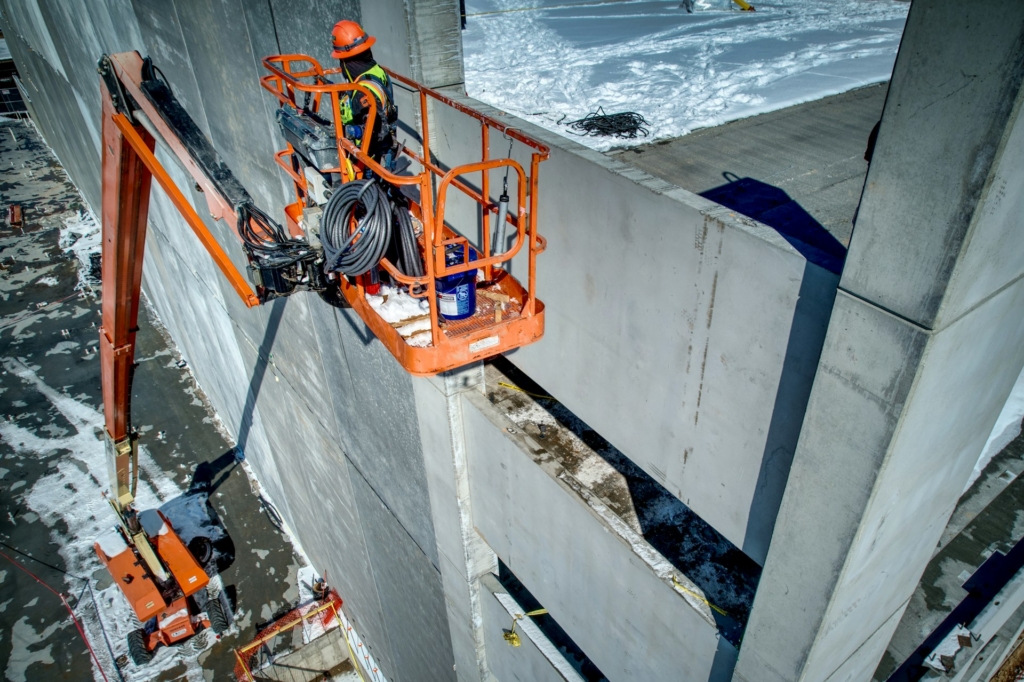
When you’re working up high, you’re already dealing with enough risk without throwing the weather into the mix. Working at heights demands a sharp focus, the right gear, and an awareness of changing surroundings. Weather can shift quickly, especially in a place like Perth, and ignoring its impact can lead to unwanted delays or worse, danger.
From blazing sun to surprise storms, Perth’s weather is anything but predictable. That means crews need to be ready to adapt at any moment. Staying safe on site means understanding how conditions can change and planning your work around those shifts. That’s where good habits, smart choices, and informed planning come into play.
Understanding Perth’s Weather And Its Impact On Height Safety
Spring in Perth often brings a good mix of hot, dry spells alongside sudden gusty winds and unseasonal showers. This can create a tricky environment for workers operating on rooftops, scaffolding, towers or elevated platforms. Temperature spikes may lead to heat-related stress, while uneven ground or slippery surfaces following rain can add fall risks. Strong winds, even on a clear day, can affect stability when handling materials at heights.
Weather-related hazards at height aren’t always obvious and can shift quickly across a single workday. Think of it like painting an exterior wall – in the morning it’s calm and warm, but by midday, the wind picks up and turns each brushstroke into a balancing act. The same kind of unpredictability makes monitoring and planning a key part of any job done above ground.
Some common challenges Perth height workers face include:
– Heat fatigue or dehydration during long sun exposure
– High winds that affect balance or blow about tools and materials
– Sudden rain making platforms, ladders or steps slippery
– Changing temperatures affecting material stability or personal comfort
When teams understand how Perth’s climate plays into worksite safety, they can start adjusting how and when they carry out height tasks. That kind of awareness is the first step toward safer decisions on the job.
Preparing For Weather Changes During Height Work
Staying ahead of the weather doesn’t mean guessing. It means keeping informed. Make it a habit to check detailed forecasts daily and, if the task spans several days, check the extended outlook too. Some smartphone apps and online platforms offer hour-by-hour breakdowns with alerts for wind changes, rain risk or extreme heat.
When it comes to scheduling, flexibility goes a long way. It makes sense to prioritise work early in the day when heat is expected later or postpone tasks if wind conditions climb beyond safe limits. Here are some ways job planning can reduce the impact of Perth’s changing weather:
– Schedule height work during stable weather windows
– Use early mornings during hot spells to avoid peak sun hours
– Plan alternative tasks for delays due to wind or rain
– Adjust shifts to allow rest periods in extreme heat
On top of weather knowledge, having reliable height safety training in Perth builds the know-how teams need to assess worksite risks and respond without hesitation. Training helps workers recognise when conditions are no longer safe and to act sensibly without putting themselves or their teammates at risk. It sets a strong base for making smart decisions when the sky starts to turn.
Gear And Equipment For Weather-Compatible Height Safety
Weather can flip a worksite from safe to risky in minutes, especially when you’re operating above ground. Having the right gear on hand isn’t just a checklist item. It’s about giving workers real backing when the elements turn. In Perth, that might mean switching between sun protection and wind-resistant equipment in one shift.
Here’s a look at the kind of gear that can support safer work at heights when the weather isn’t on your side:
– Harnesses and lanyards rated for wet and hot conditions: Look for gear that doesn’t absorb water easily and won’t harden or crack after long UV exposure
– Non-slip footwear: Choose boots with strong grip and weather-resistant soles to avoid slips on wet or dusty surfaces
– Weatherproof gloves: Damp or sweaty hands increase slip risk when handling tools or railings, so gloves with grip support are worth the investment
– Lightweight, breathable clothing: High-heat days aren’t just uncomfortable. They can make focus harder. Clothing that protects from sun while keeping workers cool makes it easier to stay alert
– Equipment covers and tool storage: Rain can rust, heat can warp, and wind can scatter. Tools left exposed can become safety risks themselves
Regular inspection matters too. Safety gear needs to work the way it’s meant to under all conditions, not just in the dry. That means setting up simple checks before and after each job. Frayed stitching on a harness, worn rubber on a boot, or faded sun-resistant tagging are signals that it’s time to repair or replace. Seasonal changes often bring wear and tear quicker than expected, so staying on top of maintenance keeps everything usable and ready.
Having gear that’s built for the job and the conditions adds another layer of confidence to any team heading up high. It’s low effort compared to the consequences of using damaged or ineffective equipment.
Emergency Procedures And Response Plans
Even with great planning, weather can still take a turn without warning. That’s where a solid emergency process makes all the difference. Knowing what to do when the wind picks up or rain rolls in helps teams stay calm and act fast.
Good emergency planning isn’t just a document tucked in an office. It needs to be real-world workable for the crew using it. It should connect clearly to the layout of the site and the kind of work being done. Responses to weather shifts should be built into daily routines, not just saved for worst-case scenarios.
Each site should plan around:
– Wind ratings for equipment and when to stop work
– Safe shelter zones to head to in case of a storm
– Quick clear-down rules for tools and equipment
– Clear communication protocols for supervisors and crew
Walk-through drills can help crews know exactly where to go and what to do. These don’t need to be time-consuming but should give each worker enough practice to handle a real change in conditions without hesitation.
Evacuation paths should be kept free from clutter, signage should be visible, and team members should be reminded of their roles. For example, designating one person to be responsible for initiating emergency communication can help avoid confusion when minutes matter most.
Planning ahead makes on-the-spot choices easier. Instead of scrambling or guessing, each worker knows their part and can carry it out with confidence even with storm clouds overhead.
Stay Ready, Stay Safe
Working at heights in Perth has its fair share of challenges, especially as spring rolls in with sudden gusts or unexpected downpours. But dealing with weather isn’t about stopping work. It’s about smart adjustments and knowing what’s coming. Weather-aware teams can shift gear, restructure the day, or calmly go into standby without skipping a beat.
Preparation is more than having the right tools. It’s a mindset. Confidence on the job comes from knowing the conditions, planning the tasks, and being ready when nature doesn’t want to cooperate. Training, gear checks and emergency plans all come together to create workplaces that don’t leave safety to chance.
Weather doesn’t wait for permission, so neither should preparation. When teams learn to read the signs and use them to make smart decisions, they spot trouble before it builds and stay focused on the job above. That awareness might not stop the rain, but it does keep the crew grounded, steady and safe.
Keep your crew confident and ready for anything with professional support from Access Unlimited. Our height safety training in Perth gives workers the skills to manage changing conditions, use the right gear, and stay focused from the ground up. Start building a safer worksite today with training that works around your team’s real-world needs.