
Addressing Gas Detector Battery Problems
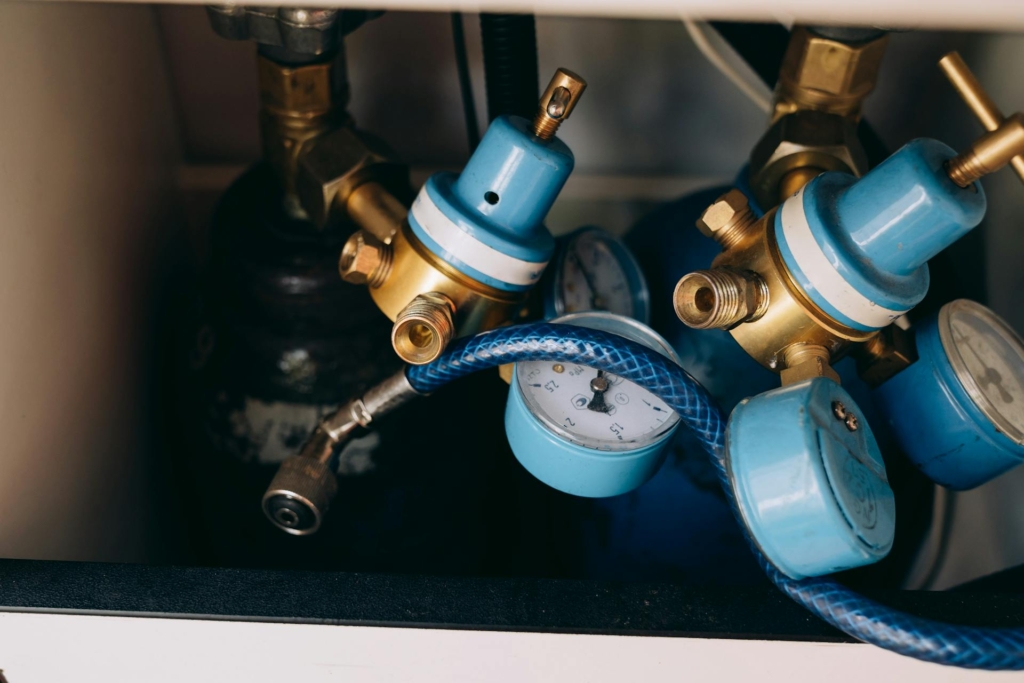
Gas detectors are lifelines in many work environments. From confined spaces to industrial and construction zones, they help people stay alert to the presence of dangerous gases before things escalate. These devices, though compact, play a big part in keeping workers safe. But like any tool, a gas detector is only as reliable as the condition it’s in, and one small problem that can throw off everything is a bad battery.
When a gas detector stops working mid-shift or takes too long to boot up, the issue often boils down to battery trouble. In places like Perth, where heat can fluctuate and conditions can be rough, keeping gas detectors in top shape takes a bit of care. We’ve seen how something as basic as a weak charge can delay emergency responses or put workers in unsafe situations. That’s why it’s useful to know what signs to watch for and how to keep these tools working like they should.
Common Gas Detector Battery Issues
Problems with the battery may seem minor at first, but they can have bigger consequences than you’d expect. If the detector powers off unexpectedly, misreads levels, or takes too long to respond, your safety system may already be compromised.
Here are some issues we often come across:
– Battery drainage: Rechargeable batteries losing charge quickly or failing to hold a full charge.
– Corrosion on terminals: Caused over time by exposure to heat, dust, or moisture.
– Damaged power connections: Faulty or worn-out cable ports and connectors can interrupt charging or cause blank screens.
– Charger failure: Sometimes the problem lies not in the battery, but in a worn or broken charger.
– Battery age: Like many devices, gas detectors have batteries that eventually wear out, especially if the same unit is used daily.
Each of these issues can take a gas detector offline when you need it most. For example, one team member arrived on site with a nearly full battery reading, only for the detector to shut down halfway through the task. It turned out the device had developed internal battery memory, causing it to die earlier than it should. It wasn’t just inconvenient, it delayed a job that relied on clear, real-time air readings.
When these small things aren’t caught early, they tend to pile up. Taking time to really understand what symptoms to watch for can make all the difference in staying safe and avoiding disruptions on site. Being aware is step one to fixing the issue before it slows you down or risks your safety.
Identifying And Diagnosing Battery Problems
Before jumping to conclusions about a gas detector’s failure, it’s helpful to go through a few checks. Often, you can narrow the issue down to the battery by paying attention to how the unit behaves when turned on or while charging. Diagnosing it early may save time and reduce downtime at work.
Here’s a quick step-by-step way to spot battery-related issues:
1. Look for warning lights or error icons – Many gas detectors show specific battery icons when the battery is low, overheated, or damaged.
2. Check the charging station – Try charging the unit on another dock to rule out any charger problems.
3. Test the battery cycle – Fully charge the detector and see how long it runs under normal conditions. If it powers off unexpectedly, there’s an issue.
4. Inspect the housing and battery terminals – Look for corrosion, cracks, or signs of moisture, especially around the battery compartment.
5. Listen for beeps or alerts – Unusual alarm patterns could mean battery-related faults.
Diagnostic tools can also come in handy. Some detectors include built-in software that tracks battery health. If this is available, checking battery status before each shift can become part of your daily routine. It’s much like checking the oil in your car, doesn’t take long, but doing it often can prevent bigger problems down the line. When tools give you signs, it’s always best to listen.
Preventive Measures That Make A Difference
Taking small, regular steps to maintain gas detector batteries can help keep them running longer. Prevention is easier than repair and often comes down to consistency and awareness.
Use these tips to stay on top of battery health:
– Create a maintenance schedule – Regularly inspect, clean, and charge gas detectors.
– Store devices properly – Avoid leaving detectors in extreme heat or damp storage areas, especially relevant for Perth job sites, where conditions can shift quickly.
– Use the correct charger – Make sure battery packs are charged with the manufacturer’s approved equipment.
– Rotate your detectors – If you’ve got several, avoid overusing just one unit. Give batteries a break to extend their lifespan.
– Avoid full battery drainage – Recharging before the battery goes completely flat helps preserve battery strength.
Make it part of daily habits. Check the charge, inspect connection points, and familiarise yourself with any signs of wear. One small leak in the casing or ignored warning light can knock the device out of action when it’s needed most.
The Value Of Professional Gas Detection Training In Perth
Knowing how to spot battery problems is only part of the picture. Understanding why the detector is needed, how it works under different conditions, and when to replace or report a fault can all be sharpened with training. This matters more if you’re regularly using equipment in hazardous sites, like confined spaces or large industrial sites around Perth.
The more experience someone has handling gas detectors, the more likely they are to catch something before it becomes an issue. Training isn’t just about pressing buttons or reading screens, it builds good habits. Being reminded to inspect cables, check battery temperatures, and practise simple start-up routines can pay off every day.
This kind of practical experience can also help newer team members feel confident on site. When they know what to do if a detector gives off an unusual reading or shuts itself down, they won’t freeze up or waste time worrying. Everyone on site ends up safer when proper training blends with real-life practice.
Keep Your Gas Detectors Working Smarter, Not Harder
No matter the job, gas detectors need to be ready every time they’re picked up. A battery issue might seem small at first, but it can throw off the whole safety chain if left unnoticed. That’s why knowing how to spot faults early and keep devices maintained makes such a strong difference.
Training, regular check-ups, and smart storage go a long way in helping prevent setbacks. Whether you’re on a short-term site or managing equipment over the long haul, a bit of care saves a lot of time and risk. In Perth’s work environments, where weather and changing work zones add to the challenge, staying ahead of problems is always the better move.
To help your team stay alert and confident when using safety equipment on site, consider building practical skills through gas detection training in Perth. Access Unlimited delivers hands-on training that prepares workers for real conditions, so they know exactly what to do when every second counts.