Gas Detector

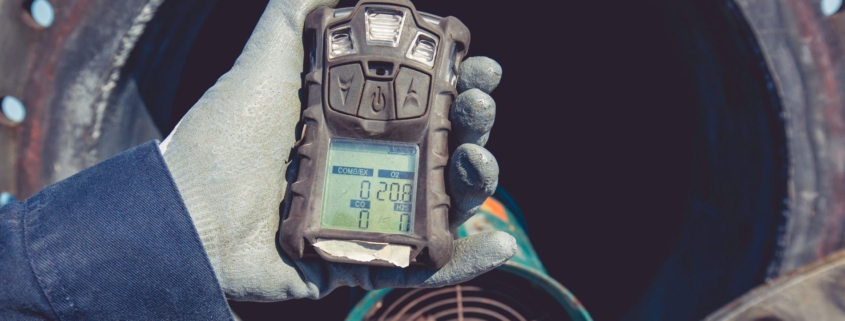
Gas detectors are lifelines in many work environments. From confined spaces to industrial and construction zones, they help people stay alert to the presence of dangerous gases before things escalate. These devices, though compact, play a big part in keeping workers safe. But like any tool, a gas detector is only as reliable as the condition it’s in, and one small problem that can throw off everything is a bad battery.

When a gas detector stops working mid-shift or takes too long to boot up, the issue often boils down to battery trouble. In places like Perth, where heat can fluctuate and conditions can be rough, keeping gas detectors in top shape takes a bit of care. We’ve seen how something as basic as a weak charge can delay emergency responses or put workers in unsafe situations. That’s why it’s useful to know what signs to watch for and how to keep these tools working like they should.

Common Gas Detector Battery Issues

Problems with the battery may seem minor at first, but they can have bigger consequences than you’d expect. If the detector powers off unexpectedly, misreads levels, or takes too long to respond, your safety system may already be compromised.

Here are some issues we often come across:

– Battery drainage: Rechargeable batteries losing charge quickly or failing to hold a full charge.

– Corrosion on terminals: Caused over time by exposure to heat, dust, or moisture.

– Damaged power connections: Faulty or worn-out cable ports and connectors can interrupt charging or cause blank screens.

– Charger failure: Sometimes the problem lies not in the battery, but in a worn or broken charger.

– Battery age: Like many devices, gas detectors have batteries that eventually wear out, especially if the same unit is used daily.

Each of these issues can take a gas detector offline when you need it most. For example, one team member arrived on site with a nearly full battery reading, only for the detector to shut down halfway through the task. It turned out the device had developed internal battery memory, causing it to die earlier than it should. It wasn’t just inconvenient, it delayed a job that relied on clear, real-time air readings.

When these small things aren’t caught early, they tend to pile up. Taking time to really understand what symptoms to watch for can make all the difference in staying safe and avoiding disruptions on site. Being aware is step one to fixing the issue before it slows you down or risks your safety.

Identifying And Diagnosing Battery Problems

Before jumping to conclusions about a gas detector’s failure, it’s helpful to go through a few checks. Often, you can narrow the issue down to the battery by paying attention to how the unit behaves when turned on or while charging. Diagnosing it early may save time and reduce downtime at work.

Here’s a quick step-by-step way to spot battery-related issues:

1. Look for warning lights or error icons – Many gas detectors show specific battery icons when the battery is low, overheated, or damaged.

2. Check the charging station – Try charging the unit on another dock to rule out any charger problems.

3. Test the battery cycle – Fully charge the detector and see how long it runs under normal conditions. If it powers off unexpectedly, there’s an issue.

4. Inspect the housing and battery terminals – Look for corrosion, cracks, or signs of moisture, especially around the battery compartment.

5. Listen for beeps or alerts – Unusual alarm patterns could mean battery-related faults.

Diagnostic tools can also come in handy. Some detectors include built-in software that tracks battery health. If this is available, checking battery status before each shift can become part of your daily routine. It’s much like checking the oil in your car, doesn’t take long, but doing it often can prevent bigger problems down the line. When tools give you signs, it’s always best to listen.

Preventive Measures That Make A Difference

Taking small, regular steps to maintain gas detector batteries can help keep them running longer. Prevention is easier than repair and often comes down to consistency and awareness.

Use these tips to stay on top of battery health:

– Create a maintenance schedule – Regularly inspect, clean, and charge gas detectors.

– Store devices properly – Avoid leaving detectors in extreme heat or damp storage areas, especially relevant for Perth job sites, where conditions can shift quickly.

– Use the correct charger – Make sure battery packs are charged with the manufacturer’s approved equipment.

– Rotate your detectors – If you’ve got several, avoid overusing just one unit. Give batteries a break to extend their lifespan.

– Avoid full battery drainage – Recharging before the battery goes completely flat helps preserve battery strength.

Make it part of daily habits. Check the charge, inspect connection points, and familiarise yourself with any signs of wear. One small leak in the casing or ignored warning light can knock the device out of action when it’s needed most.

The Value Of Professional Gas Detection Training In Perth

Knowing how to spot battery problems is only part of the picture. Understanding why the detector is needed, how it works under different conditions, and when to replace or report a fault can all be sharpened with training. This matters more if you’re regularly using equipment in hazardous sites, like confined spaces or large industrial sites around Perth.

The more experience someone has handling gas detectors, the more likely they are to catch something before it becomes an issue. Training isn’t just about pressing buttons or reading screens, it builds good habits. Being reminded to inspect cables, check battery temperatures, and practise simple start-up routines can pay off every day.

This kind of practical experience can also help newer team members feel confident on site. When they know what to do if a detector gives off an unusual reading or shuts itself down, they won’t freeze up or waste time worrying. Everyone on site ends up safer when proper training blends with real-life practice.

Keep Your Gas Detectors Working Smarter, Not Harder

No matter the job, gas detectors need to be ready every time they’re picked up. A battery issue might seem small at first, but it can throw off the whole safety chain if left unnoticed. That’s why knowing how to spot faults early and keep devices maintained makes such a strong difference.

Training, regular check-ups, and smart storage go a long way in helping prevent setbacks. Whether you’re on a short-term site or managing equipment over the long haul, a bit of care saves a lot of time and risk. In Perth’s work environments, where weather and changing work zones add to the challenge, staying ahead of problems is always the better move.

To help your team stay alert and confident when using safety equipment on site, consider building practical skills through gas detection training in Perth. Access Unlimited delivers hands-on training that prepares workers for real conditions, so they know exactly what to do when every second counts.

Gas Detectors

Gas detectors are an everyday part of working in high-risk environments, but that doesn’t mean they’re immune to errors. Workers rely on these devices to monitor the air quality around them, especially in enclosed or poorly ventilated spaces. A gas detector that provides inaccurate readings can put lives at risk, so knowing how to spot and respond to false alerts can make a big difference in keeping jobsites safe.

False readings don’t always mean the detector is broken. Sometimes, environmental factors or user habits can cause the device to behave in ways that are hard to understand. While it’s easy to blame faulty equipment, learning to identify where the problem starts gives you better control over the situation. Whether you’re new to using detection gear or it’s something you’ve handled for years, it’s worth revisiting what goes wrong and how to fix it without delay.

Understanding Gas Detectors And False Readings

Gas detectors play a big role in workplace safety. They’re designed to sense the presence and concentration of certain gases in the air, warning users before conditions become dangerous. This is especially important when gases are colourless or odourless, making them hard to notice without help. A well-working detector gives workers enough time to either leave the area or take action confidently.

But what happens when these detectors go off without a clear cause? Or worse, when they stay silent even though gas is present? That’s when you’re dealing with a false reading. A false positive can lead to panic or unnecessary work stoppages. A false negative, on the other hand, might allow dangerous conditions to go unnoticed, putting workers at risk.

Accurate readings are key to keeping trust in the tool. When workers understand how gas detection systems operate and what might trigger false alerts, they’re more likely to look out for signs early and react appropriately. For example, if a detector repeatedly shows high gas levels in a well-ventilated area, the issue might not be the air—it could be the sensor needing attention.

Common Causes Of False Readings

There are several reasons a gas detector might give misleading information. Identifying these causes helps teams avoid downtime and reduce confusion in the field.

1. Environmental Impact

– High humidity or extreme heat can interfere with sensor stability and produce unreliable readings.

– Dust, aerosols, or cleaning chemicals in the air can affect how the sensor performs.

– Some gases not meant to be detected by a specific sensor can still cause interference, triggering unexpected alerts.

2. Equipment-Related Issues

– Overdue calibration is one of the most common causes of false readings. If a sensor isn’t calibrated regularly, its accuracy drops.

– Worn-out or expired sensors can start reacting unpredictably, and internal electronics may also degrade over time.

– A low battery or general wear and tear on the unit can affect its consistency and reliability on-site.

3. User Habits And Handling

– Skipping checks before use can allow problems like low battery or clogged inlets to go unnoticed.

– Storing detectors in unsuitable conditions, such as damp rooms or vehicles exposed to heat, can make future readings less reliable.

– Failing to clean the detector or exposing it to impact can reduce its performance.

Imagine a scenario where a team leaves their detectors in a storage room over the weekend. If the room isn’t well ventilated and experiences temperature swings, the readings on Monday could be off. The detector might sound an alarm in clean air, causing confusion and wasting time unless the team remembers that environment matters.

Immediate Actions To Take When False Readings Occur

When a detector triggers unexpectedly, safety comes first. Even if you think it might be a false alarm, it’s important to treat the situation seriously. Missing a real hazard due to faulty assumptions can have dangerous consequences.

Here are the steps to follow:

– Stop work and move away from the affected area, especially if dangerous gases might be present.

– Use another gas detector if available to compare the results.

– Check the device externally for signs of damage, blocked air inlets, moisture, or dirt buildup.

– Review battery life and sensor indicators to rule out basic issues.

– Take the detector into an open-air environment to see if the reading returns to normal.

– Record the event details clearly, including time, location, initial readings, what steps were taken, and any outcomes.

Brushing off alarms because they “go off all the time” is risky. Every alert should be reviewed and reported properly. Even something small, like spraying a cleaning product nearby, can cause a false reading. Still, every instance is an opportunity for a correct response and improved awareness.

Preventive Measures To Minimise False Readings

No system is perfect. But when equipment is well maintained and used correctly, the number of false readings can be greatly reduced. Many false alarms are preventable with the right habits and regular attention.

Here’s what should become second nature:

– Follow a set schedule for calibration, based on manufacturer advice or internal safety guidance.

– Inspect and clean the device before each job. Look for dust, moisture, or debris buildup.

– Maintain a service log for each detector, recording tests and maintenance steps.

– Store units in dry, temperature-controlled spaces rather than areas that could damage internal components.

– Keep aerosol sprays, cleaning products, and similar chemicals away from active sensors.

– Perform daily bump tests to make sure each sensor is triggering as it should.

Training makes a huge difference here. When workers know what to expect from their detector and how to check for faults, they’re much more prepared. Even newer team members can develop good habits quickly if proper instruction is given from the start.

Ensuring Reliable Gas Detection Training in Perth

Knowledge is key when handling gas detectors. No tool can fully do its job if used without proper training. Skilled teams can tell the difference between a legitimate risk and a faulty alert, and that only comes from understanding how detectors work and how they can fail.

Enrolling in gas detection training in Perth means moving past basic operation. Workers are guided through advanced functions, reading patterns, field testing, and proper maintenance. The goal isn’t just to turn on the detector—it’s to trust what it’s saying and know what to do when something changes.

Here’s what a strong training program often includes:

– A look at how different sensors work, including what kinds of interferences to expect

– Key environmental factors that affect readings

– Steps for daily checks and how to conduct a bump test

– When recalibration is needed and how to do it

– Warning signs of faulty readings and what actions to take

When training mirrors the conditions workers face, lessons stick. A confident team reacts better, manages equipment more responsibly, and feels more secure in their surroundings.

Make Gas Detection One Less Thing to Worry About

False alarms slow things down and can lead to costly mistakes when ignored. When teams know how to respond and what to look for, false readings stop being an obstacle and start becoming a manageable part of the job.

It’s not just about avoiding errors—it’s about building confidence in your crew and the tools they use each day. With regular checks, smart habits, and the right training in Perth, your gas detection process becomes less of a guessing game and more of a reliable layer of safety.

Access Unlimited continues to support teams in high-risk environments with training that helps people stay sharp and prepared. When it comes to gas detection, knowledge makes every shift safer.

To maintain a high standard of safety on every jobsite, your team needs more than just reliable equipment—they need the right knowledge too. If you’re looking to improve your crew’s response and confidence in the field, consider enrolling in gas detection training in Perth. Access Unlimited offers practical, hands-on courses designed to ensure your workers stay sharp and ready for whatever conditions they face.

Gas Monitor Calibration

Gas monitors are standard equipment in many work environments, especially where there’s a risk of hazardous gases. They’re used in confined spaces, industrial sites, and even some outdoor areas. These devices play a key role in keeping workers safe, but only if they’re functioning the way they should. That’s where calibration comes in. When monitors are off, reading too high or too low, they can’t be trusted and that puts lives at risk.

Understanding the challenges that come with keeping gas monitors accurate is important. Problems with calibration can pop up more often than you might think. Whether it’s ageing sensors or changes in temperature, a lot can interfere with a monitor’s ability to deliver correct readings. By spotting these issues early and knowing what to do, small errors can be prevented before they turn into dangerous situations.

Why Accurate Calibration Is Important

When gas monitors are used to check air quality in places like underground tunnels, warehouses or fuel storage areas, they become a first line of defence. These tools are meant to alert workers to unsafe gas levels so quick action can be taken. But if a monitor hasn’t been checked or calibrated properly, it might not sound the alarm when it should or go off when there’s no danger at all.

Poor calibration leaves room for false readings. This could mean a worker enters an area thinking the environment is safe, when it’s anything but. On the other hand, false alarms might lead to unnecessary evacuations or downtime, which impact productivity and trust in the equipment. For example, a shift supervisor in Perth once noticed their monitor repeatedly flagged high gas levels, only to find the device had not been adjusted to local altitude and humidity conditions.

That’s why staying on top of calibration matters. It helps maintain reliable performance and gives workers the confidence they need when entering risky areas. Skipping it isn’t worth the risk.

Common Gas Monitor Calibration Problems

Even with regular maintenance, gas monitors can act up. Some calibration problems are harder to spot than others, and many are caused by daily environmental factors or mishandling. Here are some common ones to look out for:

1. Sensor Drift

Over time, sensors age and become less responsive. They stop reacting as quickly or accurately to gas exposure, leading to incorrect readings. This problem usually builds slowly, which makes it hard to spot unless regular checks are kept up.

2. Environmental Conditions

Monitors can be affected by the weather. High humidity, temperature changes or pressure shifts can throw off sensor readings. If a device isn’t stored properly or is used in very different conditions, the calibration can be thrown off quite easily.

3. Exposure to Additional Gases

Some sensors may pick up gases they weren’t intended to measure, confusing the monitor and giving inaccurate results. If a location uses multiple types of gas, it’s important to make sure cross-sensitivity doesn’t become a problem.

4. Inaccurate Calibration Gas

Not all calibration gases are suitable. Using the wrong concentration or an expired bottle means the monitor will be adjusting itself to the wrong baseline. That can quickly throw off what would otherwise be a reliable piece of equipment.

Knowing how and why these issues occur makes it easier to spot them early. That’s a key step toward keeping your team safe and equipment reliable.

Steps To Ensure Accurate Calibration

Avoiding gas monitor calibration problems starts with routines and care. It’s easy to assume a monitor is working fine just because it powers on and looks normal, but appearances can mislead. Reliability comes from how the device is used, looked after and maintained.

Here are a few things that help keep calibration accurate:

– Set a regular maintenance routine

Don’t rely on random checks. Set proper intervals for testing and recalibrating, depending on how often the monitor is used and where it’s being used. Even when things seem fine, stick to the schedule.

– Store equipment properly

Monitors that are left in direct sunlight, damp rooms or in areas with extreme temperature shifts can wear down quicker. Keep your devices clean, dry, and in a temperature-controlled environment when not in use.

– Train staff thoroughly

Everyone on the team, even experienced workers, needs clear and up-to-date training. Knowing how to check for signs of drift, interference, or physical damage can make a big difference in picking up on problems early.

– Pursue recognised certification

Gas testing certification in Perth helps teams learn how to use and assess their monitoring gear correctly. It supports everyday safety routines and lowers the risk of faulty usage due to a lack of knowledge.

These habits, once part of the routine, improve overall safety and reduce downtime or confusion from misread alerts. It’s a simple change that can stop serious mistakes before they even begin.

The Value Of Professional Calibration Services

Even with thorough training and careful routines, some calibration issues are too complex for in-house teams to handle. That’s where professional calibration services step in. They use advanced equipment and proven methods to make accurate adjustments and spot problems you might overlook.

A big advantage of using certified professionals is the ability to track calibration history in a reliable way. This becomes even more important when inspections are due or certain safety standards need to be met. Professional services also use trusted calibration gases and have the experience to identify whether the current monitors match the conditions they’re being used in.

In Perth, where work environments range from industrial yards to deep underground sites, it helps to use experts who know how local conditions affect gas detection equipment. Bringing in the right people for the job could mean fewer surprises and a safer worksite overall.

When monitors are maintained and calibrated by professionals, they tend to last longer, perform better, and cause far fewer disruptions across operations.

Why It All Matters for Safer Workplaces

Reliable gas monitors are just one piece in the larger safety puzzle. They help protect people in high-risk settings, but only when calibrated properly. A minor reading error could lead to major risks, whether that’s letting someone enter an unsafe space or causing unnecessary alerts that slow work down.

Especially around Perth, with its mix of industries and unique conditions, calibration issues need to be taken seriously. Safety at work depends not just on having the right gear, but also on making sure it works the way it should. That’s where solid routines, ongoing training, and qualified support all come together.

Staying one step ahead of gas monitor calibration problems lets crews focus on what they do best, without second guessing the readings they rely on. It builds trust in the systems meant to protect them, and that kind of trust makes all the difference. Calibration isn’t just a box to tick off. It’s a habit that shifts how safety is handled from the ground up.

If you want to strengthen your team’s safety skills in real-world conditions, getting the right training can make all the difference. Investing in gas testing certification in Perth is a practical step toward reducing risks and boosting confidence around hazardous environments. Access Unlimited is here to support your crew with expert-led training designed to build knowledge and safer habits from the ground up.

Gas Test

Anyone working in confined spaces or hazardous environments knows that gas testing is a key part of staying safe on the job. But even when you’re confident with the equipment, there are times when the results can leave you scratching your head. Unusual readings happen, and when they do, it’s important to know how to react quickly and correctly. Overlooking odd results or brushing them off can lead to trouble, especially in high-risk settings.

In areas like Perth, where both industrial work and construction are common, strange test outcomes can come up more than you’d expect. Different work locations, changing weather patterns and equipment condition can all affect what your gas monitor shows. Understanding why those numbers appear and how to interpret them is the key to staying safe and keeping work moving without delays.

Understanding Unusual Gas Test Results

Gas test for atmospheres online training can teach the basics, but knowing what to do when results don’t look right takes a little more hands-on experience. A gas monitor is used to detect hazardous levels of toxic gases, flammable gases and low oxygen levels. But sometimes you get readings that don’t make sense, or aren’t what you’d normally expect for the area you’re working in.

These unusual results could show up in places like enclosed drains or services rooms, where airflow is limited. In certain parts of Perth, strong temperature shifts or humidity can also play a role. For example, early mornings in winter might produce different sensor behaviour than mid-day readings on a hot summer shift. Understanding the location and the specific working conditions on site gives more meaning to what your gas monitor is telling you.

Pausing and taking time to assess before assuming your gas monitor is faulty can help avoid disruptions. Unusual results don’t always mean the gear is damaged. Sometimes they’re a heads-up that something more serious could be forming.

Common Causes Of Unusual Gas Test Results

When your gas test results look odd, it’s worth stepping back and thinking through a few likely reasons. Many times, it’s not a single issue but a mix of small factors that cause unusual readings.

Some of the more common causes include:

– Sensor contamination: Dirt, moisture or chemicals can build up on a sensor over time, giving off false readings.

– Improper calibration: Skipping regular calibration can throw off accuracy and create frustration during testing.

– Environmental conditions: Wind, humidity or sharp temperature swings can all lead to odd monitor behaviour.

– Interference from other gases: One type of gas might trigger a sensor designed for something else, leading to an incorrect measurement.

– Dead zones or confined spaces: Gas can build up in still areas with poor airflow even when everything else appears safe.

When things don’t add up, it’s important not to jump to conclusions. Take a calm approach, review your surroundings, test again using clean and calibrated gear and make sure to record it all properly. Your equipment might be telling you something important – or it might just need maintenance. Either way, it deserves your full attention.

Steps To Interpret Gas Test Results Effectively

When your gas monitor gives you readings that don’t make sense, there’s a tried-and-tested process you can run through before making decisions. Acting too fast or without checking the facts can risk safety and productivity.

1. Check calibration dates

First thing is to make sure the device was bump-tested or calibrated recently. If not, it might be overdue and showing numbers that can’t be trusted.

2. Look at ventilation

Check your airflow. Corners, basements or deeper areas can trap gases. If the air feels heavy or stale, that could be your clue.

3. Inspect the environment

Think through what could be influencing the space. Are there cleaners stored nearby? Was anything recently painted or burned off? Environment plays a massive role.

4. Retest with another monitor

If something still seems off, grab another monitor that you know has been tested and reliable. Matching readings from two monitors gives more certainty.

5. Write it all down

Take careful notes, including time, location, type of reading and conditions. Documenting everything helps in case others want to verify what you saw.

These steps help keep guesswork out of your response. Consistency in approach builds a safer and more efficient testing habit over time.

Safety Measures When Dealing With Unexpected Results

When the numbers spike or your monitor behaves strangely, the safest option is to slow down and follow the right steps. Not all situations are alike, but some general safety moves apply across the board.

Here’s what to do if you see unexpected results during testing:

– Clear the area if needed

If readings suggest unsafe levels of toxic or flammable gases, leave the area immediately and take others with you.

– Notify your supervisor or safety contact

Always report what you’ve seen, no matter how minor it first seems. Better to verify than ignore a real problem.

– Put faulty gear out of use

If something is wrong with the monitor, it should be tagged out so it’s not used again until inspected or replaced.

– Follow site-specific emergency protocols

Different locations in Perth may have their own procedures when it comes to irregular gas readings. Stick to your site’s protocol from the first sign of trouble.

If your site doesn’t have strong backup systems or you’re out on a remote worksite, reacting quickly and responsibly to unexpected gas readings becomes even more important. Don’t go it alone and don’t delay the decision-making.

Training And Resources For Accurate Gas Testing

Anyone can press a button and read a number. But understanding that number and responding the right way comes with training. Plenty of workers in Perth have the equipment and a basic understanding, but not everyone has been trained to handle tricky or strange results with confidence.

Getting the proper training fills that gap. You learn the differences in how gases behave, what affects sensors and how to trust your instincts without relying too much on guesswork. One common example we see is someone reading a sharp spike and assuming the equipment’s broken when in fact a small movement stirred up a pocket of gas that was always there.

Onsite training gives workers the chance to practise with real tools in situations that mirror what they’ll face on the job. It teaches them to rely not only on the numbers but on all their senses and experiences to make the right call.

For workers across Perth, practical training that reflects the reality of local work conditions is key. Whether in bulky tanks, narrow pits or open refinery spaces, the challenges differ, and so does the learning.

With regular training, people are quicker to spot genuine risks, slower to panic over odd results and sharper at knowing exactly what step to take next.

Staying Sharp for Perth’s Gas Testing Challenges

Odd results on a gas monitor shouldn’t be dismissed or taken lightly. Whether it’s a result of real airborne risk or just faulty gear, both situations deserve proper care and response.

Safe and accurate gas testing in Perth means understanding your tools inside and out, grasping how environmental factors play a role and working within a process that helps eliminate guesswork. With job sites scattered across weather-prone areas, training and habit make all the difference.

You can’t prevent every strange reading. But you can prepare for them. This means learning from experience, building reliable habits, asking for support when unsure and relying on tools that you’ve tested, cleaned and trusted.

Being ready to face atmospheric testing challenges builds confidence and gives your team the best chance of working safely day in and day out.

To help your team make confident, on-the-spot decisions when gas readings don’t look right, build deeper knowledge with targeted gas test for atmospheres online training. At Access Unlimited, we offer practical, Perth-specific courses that prepare your crew to spot subtle issues, react quickly and work smarter in any environment.

gas testing

Getting accurate gas readings is key when working in high-risk environments. Whether it’s a confined space, a plant room or somewhere with limited airflow, knowing the air is safe matters. Gas testing helps check for harmful gases before anyone enters or stays in a space. If the readings are off or bouncing around too much, though, it becomes hard to know what’s really going on, and that can lead to poor decisions or unsafe conditions.

When a gas monitor gives you inconsistent results, it doesn’t always mean there’s a big problem, but it’s a warning not to ignore. Maybe the levels jump up and down for no clear reason, or different devices show different figures in the same spot. Whatever the case, it’s important to stop, figure out why it’s happening, and take the right steps to be sure everyone stays safe. Let’s look at what might cause gas readings to shift and what to do about it.

Understanding Inconsistent Gas Readings

Gas testing checks the air for harmful gases like oxygen deficiency, flammable vapours or toxic chemicals. Before anyone starts work in a confined space or high-risk area, readings help confirm whether conditions are actually safe. When readings aren’t steady, it throws off your ability to make the right call.

Say, for example, you’re using a multi-gas detector in an underground chamber. One moment, everything looks clear. A minute later, the flammable gas reading suddenly jumps, then drops. That sort of change creates doubt and wastes time. Worse, it could either make you leave the space when it’s actually safe or head in when it’s not.

There are three main triggers for unreliable readings, and most of them boil down to either the conditions around you, issues with the equipment, or how the test is carried out.

Common Causes Of Inconsistent Readings

There’s usually more than one reason why gas readings don’t come out right every time. Understanding some of the most common causes helps prevent bigger problems.

1. Environmental Factors

– Airflow or ventilation changes can move gas pockets around, giving different readings from one spot to the next
– Sudden temperature shifts may affect how sensors respond
– Humidity can change the way gases behave or how the monitor reacts to them

2. Equipment Problems

– Sensors degrade over time, especially if they’ve been exposed to extreme conditions
– Monitors that haven’t been calibrated properly may drift off standard ranges
– Damage from moisture, dust or impact can weaken sensors quietly without showing an obvious alert

3. Human Error

– Rushed or skipped warm-up times after switching on the monitor
– Holding the detector too close to a gas source or using it incorrectly in different zones
– Poor record-keeping around maintenance dates or calibration schedules

Once you spot the reason behind a glitchy reading, you’re in a better place to fix it or know when gear needs replacing. That’s why it’s so important to not only trust the gear, but to know how to handle it when it isn’t doing what you expect.

Steps To Take When Readings Are Inconsistent

When gas readings don’t line up or shift without warning, delays and confusion can follow. More importantly, a wrong assumption can put people at risk. Sorting the problem early, without guessing or rushing, makes a big difference. The aim is to trust the reading or know when to question it.

Start with these checks:

– Step back and take a second reading in the same spot with the same device
– Use a second monitor, ideally a different model or brand, to compare results
– Review the last calibration date. If it’s overdue, it may be the root cause
– Make sure the sampling probe or inlet isn’t blocked or dirty
– Move to a different area and test again to see if things shift with location

If problems keep coming up, it’s time to pull the monitor from use and report the issue. It should be looked at by someone trained in how these systems work. Changing batteries, checking sensors or refreshing filters might help, but it’s always safer to hand it off to someone qualified.

Lastly, log everything. Even if it turns out to be a simple fix, notes around when, where and how it happened could help next time. Consistent record-keeping builds a stronger, safer pattern for identifying faults early.

Preventing Future Inconsistent Readings

The best time to deal with equipment failure is before it actually happens. Keeping gear accurate makes everyone’s life easier on the job and avoids delays or risks caused by faulty reads.

Here are a few habits that help reduce problems:

– Stick to a regular calibration schedule. Don’t put it off just because the device seems okay
– Store gas monitors away from heat, moisture or heavy impact
– Check monitors before and after each job. Quick tests can spot obvious faults early
– Train everyone to use, charge and look after the gear properly
– Rotate monitors in use, giving time for inspections or servicing in between

Some workplaces in Perth also run refresher courses, where staff can stay up to date with new equipment or procedures. That way, you’re not relying on someone remembering how they were trained five years ago. Simple upgrades, from bump-testing stations to data logging monitors, can also help ensure your readings reflect the actual air conditions.

Perfect readings every time are tough to promise, but by building smart routines around your detectors, error becomes the exception, not the rule.

Confidence Starts With Training

One of the biggest ways you can stop small issues turning into big ones is through training. When a team knows what to expect, how to test properly and what signs could mean something’s gone wrong, they’re more likely to catch problems before something serious happens.

Gas testing training in Perth gives workers hands-on experience with the same gear they’ll use onsite. It also covers the rules that apply locally, so people don’t miss steps or fall out of line with current safety codes.

The benefits aren’t just for the individual. Training helps lift the whole site’s level of safety. New workers learn the right way from day one, and experienced ones pick up better habits. A confident operator is more likely to act fast when something doesn’t seem right and less likely to brush off unusual readings just to finish a task.

If you’re working in a high-risk environment where air quality matters, dealing with inconsistent gas readings isn’t something to brush aside. Knowing what causes them, how to react quickly and how to limit future issues makes every shift that bit safer. It starts with paying attention and keeps going with the right habits, gear and knowledge.

For teams working in unpredictable or high-risk environments, getting accurate gas readings makes a real difference. Access Unlimited offers practical, hands-on gas testing training in Perth that helps workers build confidence with the tools they’ll be using onsite. Our training focuses on reading conditions clearly, using equipment correctly and knowing when something isn’t right—so your crew can stay sharp and safe on every job.

gas testing

Gas testing gear doesn’t last forever. When you’re working in environments that rely on accurate readings to detect dangerous gases, your equipment needs to be working properly every time. That’s why it’s worth paying attention to how your gas detector performs day to day. Small things like inconsistent readings or a slow response might seem like harmless annoyances, but they can be early warning signs that the unit’s on its way out.

If you push faulty gear too long, you’re not just risking a breakdown, you’re putting everyone around you at risk. It’s not always easy to tell when something needs upgrading, especially if it’s still kind of doing the job. That’s where a bit of know-how goes a long way. By learning what to look for, workers can avoid putting their trust in equipment that’s past its prime.

Signs Of Wear And Tear

The first thing you’ll usually spot is physical damage. Gas detectors might be built for tough jobs, but they still cop their fair share of knocks, drops and exposure. Over time, that daily wear starts to show. You might see cracks in the casing, buttons that don’t press cleanly, or even corrosion forming around sensor ports.

These defects can affect how well the device reads gas levels. A cracked sensor cover might let in moisture or dust. A corroded battery compartment might lead to power problems mid-shift. Even damage that seems minor can affect accuracy or the lifespan of internal components.

Here’s what to watch for:

– Cracks or dents on the surface or near the screen

– Loose or damaged sensor covers

– Worn-out buttons or switches that stick or don’t function

– Rust or moisture signs around seams, plugs or battery areas

A quick once-over every day can catch these changes early. It’s worth setting up a habit of inspecting your detector each morning before a job and again at the end of the shift. This doesn’t take long, and it can mean the difference between carrying on safely or using gear that may give false readings.

One technician in Perth noticed a crack along the side of their handheld gas tester after using it in heavy rain for several days. Moisture managed to seep in, and over time the readings began acting up. The crack seemed harmless at first, but it ended up costing them several hours of troubleshooting after the unit finally shut down without warning. Keeping an eye on these changes gives you control before the problems start stacking up.

Inconsistent Readings

False alarms or irregular readings can be frustrating, but they’re also a big hint you shouldn’t ignore. If a detector beeps more than it should, shows unexpected spikes, or reacts slowly to known conditions, something isn’t right inside. Sensors wear down over time, and when they start to go, the readings can shift between underpowered and over-sensitive.

When equipment isn’t giving the same response to the same test conditions, it can confuse workers and drag out the job with extra checks. Worse still, if the unit underreads, it might miss actual hazards, and if it overreads, it can lead to unnecessary interruptions or panic.

To keep performance steady:

– Calibrate your unit regularly, following the set schedule for your specific model

– Compare readings with other units when you’re unsure

– Replace sensors after their operating life, even if the device still powers on

– Log any strange results or unusual patterns, especially if they pop up more than once

Gas testing setups often come with bump testing features or calibration stations. If you’re finding that bump tests are failing more often, and you’ve ruled out environmental factors, it could be time for new gear. A sensor that used to respond quickly to certain gases might now take longer or barely move at all.

Keep in mind that even though electronics may seem fine on the surface, ongoing small errors in readings are often deeper than what a quick fix can reach. Replacing an aging unit before it fails during a critical moment is a safer bet than hoping it’ll last just a bit longer.

Expired Sensors And Components

Gas testing equipment isn’t built to last forever, and the internal parts, especially sensors, come with an expiration date. These sensors slowly lose sensitivity the longer they’re used. Even if the device powers up like normal, an out-of-date sensor can give you slow or unreliable readings that throw off the entire test.

It’s easy to overlook this if you haven’t dug into the manual or checked the sticker on the back of the unit lately. Most detectors will have sensor life spans printed or programmed into them. Once those dates pass, accuracy starts to slide.

Keep an eye out for:

– Sensors that have passed their factory-recommended replacement date

– Equipment that consistently shows zero or unusually low readings in areas known to have trace gas levels

– Long lag times when exposed to test gas during bump checks

– No reaction at all during known exposures

Even routine wiping or exposure to cleaning chemicals can slowly wear sensors down. Humid days in Perth, dust build-up, or regular knocks from site gear can speed this up. That’s why it helps to track when parts were last replaced and when they’re next due. Setting a reminder or making it part of your maintenance log saves you from relying on fading memory.

One crew member recalled a time when their gas detector passed the self-test, but the sensor had quietly expired. The tool still turned on, the screen looked fine, and it gave a confident all clear. But the air around them actually had higher gas levels than it could detect. That kind of silent fault is what makes expiry awareness so important.

Frequent Malfunctions And Failures

When your gear starts playing up all the time, freezing, turning off, giving random alerts, you’ve got to start asking how much longer it can hold out. These constant failures don’t just eat up time. They wear away trust. If you can’t rely on a detector to behave consistently, it won’t matter how accurate it was once. Minor flaws might still be fixed, but a growing pattern usually signals the end.

Take note of these repeating issues:

– Random shutdowns in the middle of use

– Delayed power-on or screen blank-outs

– Battery draining extremely fast, even after replacement or full charge

– Display errors making it hard to read levels or settings

– Alarm volume or vibration becoming weaker or not working at all

If these problems are showing up regularly, it’s worth keeping a log to track how often they occur. That way, the guesswork gets taken out when you’re deciding if it’s time to move on from that unit. A log that says the unit’s failed three shifts in two weeks paints a clear picture.

Here in Perth, where the job sites vary from humid coastal areas to dry dusty grounds, it’s quite common for detectors to take a beating. One team lead shared how their unit powered down three times in a single day during confined space checks. It became clear that boots on the ground needed to move on from that equipment quickly.

Stay One Step Ahead with Good Gear

Knowing when to update or replace your gas testing equipment comes down to staying alert to the small stuff, the wear marks, the reading delays, and the subtle warning signs. Catching those early can stop bigger problems later on. Gas detectors are safety tools first and foremost. If they can’t be trusted to tell the truth, they shouldn’t be in use.

It’s good practice to have servicing routines and train workers on what failing equipment looks like. Replacing a dodgy part or retiring a worn-out detector might seem like a downtime hassle, but it’s nothing compared to what can happen if a bad reading leads someone into a dangerous space. You’re working to high standards when you expect the same from your gear. Keeping it updated means getting home safe.

If you’re ready to take safety seriously and avoid the risks of faulty equipment, building up your team’s knowledge of gas testing is a smart move. At Access Unlimited, we offer hands-on training to keep your crew confident and your gear dependable on every job.

Gas Testing

Conducting a gas test safely and efficiently is a significant responsibility, particularly in industries like construction and manufacturing. These tests play a pivotal role in ensuring that work environments are free from toxic and flammable gases, safeguarding both workers and the surrounding community. The ability to execute a gas test accurately is an indispensable skill for maintaining a safe workplace. Given the location of Perth, with its bustling industrial scene, the need for precise gas testing cannot be overstated.

So, what exactly is a gas test? Simply put, it’s a method used to detect the presence of hazardous gases in the air. This process is crucial in spaces where dangerous gases might be present, like confined spaces in construction sites or large-scale manufacturing plants. Regular gas tests help prevent accidents by alerting workers to the presence of harmful gases before these can reach dangerous levels. The foremost aim is to create a secure environment where everyone can work confidently, knowing they’re protected from unseen threats.

Preparing For A Gas Test

Before beginning the actual testing procedure, there’s a bit of groundwork to cover. Good preparation is key to achieving accurate and reliable results. Here’s a simple guide to help you get started:

1. Gather Necessary Equipment: Ensure you have the correct gas detection devices. Tools like multi-gas detectors or single-gas monitors are common choices, depending on the job’s requirements.

2. Check Your Gear: Inspect your equipment for any signs of wear and tear. A faulty device can lead to inaccurate readings, which isn’t something you want when health and safety are on the line.

3. Understand the Area: Take note of the layout of the space where the test will be conducted. This includes identifying potential gas sources and conducting a risk assessment to highlight any areas of concern.

4. Safety Equipment Is a Must: Ensure you have all the necessary safety gear, such as gloves, masks, and protective eyewear. The safety of everyone involved is always the top priority.

5. Training and Certification: Thorough training is non-negotiable. Anyone involved in gas testing should be properly trained and certified. This not only ensures the test is performed safely but also assures the accuracy of the results.

By following these steps, you’re setting the stage for effective gas detection. Preparation isn’t just about having the right tools; it’s about understanding your environment and being ready to act on the data you collect.

Steps To Conducting A Gas Test

Now that you’re all set up, let’s walk through the process of conducting a gas test safely and confidently. First, ensure your testing equipment is correctly powered on and calibrated. Calibration is best done in a clean air environment to get your sensors adjusted properly. Skipping this step might result in inaccurate readings that could potentially put people at risk.

Next, start by surveying the site. Consider areas where gas might accumulate, such as low-lying spots or enclosed spaces. Place your detectors strategically to get a comprehensive reading of the area. Once everything is set, slowly move through the testing area while monitoring your device for any signs of hazardous gas presence. As you gather data, pay attention to any peaks or unusual readings. Gas levels can fluctuate, so it may be useful to repeat certain readings to ensure accuracy.

Finally, record the data collected, noting the specific locations and the times of the readings. This information not only helps in immediate safety decision-making but also contributes to ongoing safety assessments and audits. Knowing how to take precise readings and interpret them skillfully will ensure that the space remains safe for workers.

Common Challenges And Solutions

Even with the best preparation, challenges can arise during a gas test. One common issue is equipment malfunction due to improper maintenance or overlooked calibration. Such problems can lead to false readings. Regular calibration and routine checks are vital to keeping your gear reliable.

Another challenge is the range of gases present. Sometimes, a single detector may not suffice if multiple gases are possible threats. In such cases, using a multi-gas detector is advisable. Understanding what gases are likely present in your area influences your choice of equipment and testing strategies.

Then there’s the human element—misreading the device or misunderstanding its signals can lead to mistakes. Continuous training and practice are key here. Keeping your skills sharp ensures that you can react appropriately when your detector sends an alert.

Maintaining Gas Testing Equipment

To achieve reliable results, regular maintenance of gas testing equipment is crucial. Start by cleaning your devices regularly to prevent dust and particle accumulation, which can affect sensors.

Make it a habit to inspect the equipment before each use for any signs of damage. Pay attention to batteries and sensor degradation, as these are common issues. Always keep track of the manufacturer’s guidelines for maintenance and parts replacement to ensure longevity and accuracy.

Calibration should be part of your routine. Schedule it according to the manufacturer’s recommendations, but also consider the frequency of your tests. If you conduct tests often, you may need more regular calibrations to ensure consistent performance.

Stay Safe And Efficient In Your Gas Testing

Gas testing is an ongoing responsibility that demands diligence and awareness. Staying informed about the latest tools and techniques ensures that your testing practices remain up to date. Safety is an ever-present concern and not just a checkbox to tick.

Emphasize continuous learning and improvement. By keeping up with developments in gas testing technology and methodology, you can provide a safe environment for your team. Always apply the knowledge gained from previous tests to enhance future ones.

In the end, successful gas testing is about creating a safe work environment where everyone can operate without fear. It’s not just about detecting gases but doing so efficiently and reliably. Prioritizing these principles will ensure everyone has the confidence and security they deserve while on the job.

Keep your workplace safe by staying ahead in gas detection practices. Visit Access Unlimited to learn how our specialised training can enhance your ability to conduct a gas test effectively. With expert guidance, you can ensure a secure environment and protect your team from potential hazards with confidence.

gas safety

Imagine you’re working on a construction site or in a factory, surrounded by machinery that hums and clanks as it gets the job done. These environments are important for industry, but they come with risks, especially when it comes to hazardous gases. In places like Perth, where industrial work is common, knowing how to manage these gases is not just smart—it’s necessary. This is where gas testing plays a big role, acting like a check-up for the air in these high-risk zones. By checking for harmful gases, it keeps everyone working there safe and sound.

Perth’s active industrial scene relies on this crucial safety measure to help prevent accidents and health issues. As industries grow and technology advances, the risks associated with dangerous gases become more significant. That’s why understanding how gas testing works is key. It’s not just about following rules; it’s about making sure everyone gets home safely. Let’s explore what gas testing actually involves and why it’s so helpful, especially here in Perth.

What Is Gas Testing?

Gas testing involves analyzing the atmosphere in specific areas to identify any dangerous gases that might be present. These environments can be places like factories, mines, or any location where industrial work creates potential for gas build-ups. Here’s a straightforward breakdown of what gas testing entails:

Purpose

The main goal of gas testing is to spot unsafe gases before they can cause harm. Common gases that are checked include carbon monoxide, hydrogen sulfide, and methane—all of which can be really dangerous at certain levels.

– Types of Hazardous Gases: Knowing the usual culprits is key. Let’s break it down:
– Carbon Monoxide: Often called the “silent killer,” this gas is odorless and invisible but can be deadly.
– Hydrogen Sulfide: Recognized by its rotten egg smell, it’s extremely toxic.
– Methane: Explosive under the right conditions, it’s a major concern in mining and oil sectors.

Understanding the process of gas testing and the kinds of gases involved is critical for maintaining safety standards. By being proactive—rather than reactive—about these potential threats, businesses can ensure a safer workplace and fewer emergency situations.

How Gas Testing Ensures Safety

Regular gas testing acts like a safety net, catching hazards before they turn into real problems. This task is more than just a routine check—it’s a crucial step in accident prevention. By identifying toxic gases early, companies can take immediate action to mitigate risks.

One example of the importance of this process can be seen in underground mining. Without testing, there’s a higher chance of encountering dangerous gases, potentially leading to explosions or health issues. On the other hand, regular checks enhance worker confidence, knowing their environment is monitored and adjustments are made as needed.

Benefits extend beyond just safety. For businesses in Perth, this level of careful monitoring assures better productivity and fewer disruptions. Employees can focus on their tasks without worry, and companies incur less downtime from accidents. By investing in thorough gas testing, businesses not only safeguard their staff but also streamline operations, creating a workplace where focus stays on work—not the dangers lurking in the air.

The Gas Testing Process

Understanding how gas testing works gives insight into its effectiveness at maintaining safety. Here’s a simple guide to the gas testing process:

1. Preparation: Before testing begins, the area needs to be secured. This involves ensuring that only authorized personnel are present to prevent any interference with the testing process.

2. Detection Equipment: Highly calibrated devices are used to detect and measure any gases in the air. These devices can spot even the smallest traces of harmful gases, which is vital for an accurate assessment.

3. Sampling: The air is sampled to identify any present gases. Testing can be done continuously in high-risk zones or periodically in areas with lower risk levels.

4. Analysis and Reporting: Once the samples are collected, they are analyzed to determine the type and concentration of any hazardous gases. This data is then compiled into a report that guides safety measures and responses.

5. Action: If any hazardous gases are detected, prompt action is taken to ventilate the area or evacuate personnel if necessary, ensuring the environment is made safe for workers.

Regular testing not only helps in identifying dangerous gases but also verifies that control measures continue to be effective. By documenting the entire process, businesses in Perth can keep a record of their safety practices and make adjustments as needed.

Trust the Professionals in Gas Testing

When it comes to gas testing, relying on skilled professionals is pivotal. These experts bring specialized knowledge and experience that ensures the testing is conducted safely and accurately. Professional training equips individuals with the know-how to handle advanced testing equipment and respond effectively to emergencies.

Professionals undergo rigorous training, which hones their skills in detecting, analysing, and addressing hazardous gas levels. This expertise translates into peace of mind, knowing that every safety measure is being meticulously implemented.

Perth’s industries prioritize such rigorous training programs to maintain their high standards of workplace safety. These training centres provide hands-on experience, meaning that staff can confidently tackle any gas safety challenges in their work environments.

Staying Safe in Hazardous Environments

Working in environments where hazardous gases might be present requires a keen sense of awareness and strict adherence to safety protocols. Implementing practical safety measures can significantly enhance safety for everyone involved.

– Keep Communication Open: Always stay informed about safety protocols and report any unusual odours or symptoms to supervisors immediately.

– Use Personal Protective Equipment (PPE): Proper use of PPE, like masks that filter harmful gases, is non-negotiable in risky areas. It’s a critical component of personal safety plans.

– Continuous Training: Engage in regular safety training sessions. These sessions often include refreshers on using safety equipment and understanding safety procedures.

Safety is a shared responsibility. Emphasizing a culture of vigilance and having regular check-ins with staff can make a significant difference in preventing accidents or injuries. Companies who invest in robust safety measures, including thorough gas testing, foster safer work environments that contribute to overall well-being and efficiency.

As workers and employers strive to create a culture of safety, the emphasis must remain on training and awareness. Proper preparation ensures that safety isn’t just a procedure—it’s a part of daily operations. Checking and double-checking equipment and environments regularly helps in maintaining a safe workspace for everyone involved.

Ready to prioritise safety in your workplace? Discover how Access Unlimited can support your team with professional training on gas testing in hazardous environments. Enhance your team’s preparedness by enrolling in our specialised course on gas test atmospheres, and help keep your operations in Perth safe and compliant.