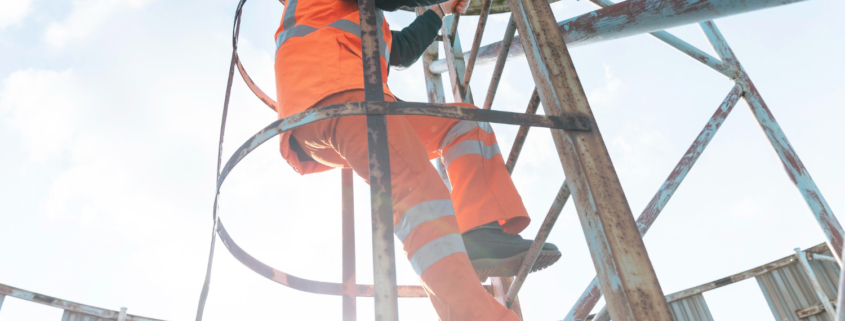
Tower Climbing

Climbing towers isn’t just physically demanding — it’s exhausting if you’re not prepared. Between the height, the gear, and the repetitive movement, it can drain your energy faster than expected. Whether you’re doing a short maintenance task or working long hours at height, managing physical fatigue is a key part of staying safe. When you’re worn out, your grip weakens, your focus drops, and the chance of mistakes rises.

Reaching the top is only part of the job. Staying alert and able to move safely while you’re up there takes just as much effort. Understanding how to look after your body before, during, and after every climb makes a big difference. The more consistent you are with good habits like rest and hydration, the steadier and safer your work will be.

Understanding Physical Fatigue

Physical fatigue is your body’s warning sign. It’s when your muscles lose strength, your grip begins to slip, and your reaction time slows down. For those climbing towers, these changes might seem small at first, but they can quickly lead to dangerous situations. Even a small delay in decision-making or movement can be enough to cause a misstep.

Keep an eye out for these signs of fatigue:

– Sluggish or delayed movements

– Losing concentration or zoning out

– Muscle shaking or burning during simple tasks

– Reduced grip, especially on rungs or tools

– Breathing that becomes shallow or fast too quickly

Recognising these signals early helps you avoid pushing past your limits. It’s common to see climbers trying to push through tiredness, often compensating with poor form or skipping handholds. That not only increases the risk of falling but also leads to longer recovery times.

Fatigue shows up differently for everyone, so it’s important to listen to your body. Pay attention to when your muscles start feeling slow or when your focus slips. Being honest about your condition helps protect both you and others around you.

Preparation Before The Climb

A strong and safe climb starts before you even leave the ground. If you’ve had poor sleep or no proper meals, your body starts off at a disadvantage. Preparation doesn’t have to be complicated. It’s really about setting up good habits that support your energy and focus.

Here are some simple but helpful steps before you climb:

– Get proper rest every night. Climbing on low sleep wears you down quickly.

– Eat balanced meals. Carbs, protein, and healthy fats are great for lasting energy. Avoid greasy or heavy food right before work.

– Do a proper warm-up. Move your shoulders, hips, legs, and wrists to loosen up.

– Take a few minutes to do deep breathing. It helps calm your nerves and get your body ready.

– Mentally review your climb. Know the structure, the gear, and the task ahead to reduce uncertainty and unnecessary effort.

These habits aren’t about being perfect. They’re about giving your body what it needs to function well in a high-risk setting.

Techniques To Manage Fatigue During The Climb

Once you’re climbing, how you move matters just as much as how you prepared. Managing fatigue while working at height starts with consistency and awareness.

Pacing is often forgotten, especially when there’s time pressure or other people watching. But climbing to someone else’s rhythm adds stress. Knowing your pace and respecting your limits keeps your energy stable and muscles engaged in the right way. Short sprints or stop-start climbing patterns take more out of you than steady movement.

Good technique helps spread the workload across your whole body. Keep close to the tower and let your legs do their share rather than relying too much on your arms. Rotate movement between limbs when possible, and avoid stiff or locked positions for long periods.

Staying hydrated is just as important. In Perth’s heat, fluid loss can sneak up fast while you’re harnessed up and focused. Thirst is already a late-stage signal, so plan your drinking around regular breaks. Drink small sips at a time instead of chugging water all at once.

Save this quick list for climbing days:

– Climb at a pace that suits your breathing and movement

– Alternate load between arms and legs when possible

– Keep your body close to the structure to limit strain

– Take short breaks to stretch if on secure platforms

– Drink water regularly, not just when thirsty

These actions don’t take much time. But they prevent bigger problems before they start.

Post-Climb Recovery Techniques

Once you’re back on the ground, it’s tempting to sit down and switch off. But your body still needs attention. Recovery helps your muscles heal and stay ready for the next time you’re on a tower.

Start with gentle movement to cool down. Simple stretches like forward bends, quad pulls, or shoulder circles help your muscles return to rest smoothly. Let your breathing slow by taking a short walk or moving lightly for a few minutes.

Refuel with nutritious food. A post-climb snack or meal that includes protein and natural carbohydrates supports recovery. Drinking water or electrolyte-rich fluids also helps balance hydration levels again. Try to avoid reaching for quick sugar hits or caffeine, which can delay proper recovery.

To keep things running smoothly throughout the day:

– Don’t lift anything heavy after climbing unless needed

– Warm showers help with blood flow and soreness

– Evening stretching before bed resets stiff areas

– Always eat a meal after climbing, even if you’re tired

These steps are especially useful if you’re scheduled for several climbs that week. Neglecting recovery leads to fatigue build-up, which only makes each climb harder and more dangerous.

Staying Steady for the Long Climb

Fatigue doesn’t just hit your muscles. It affects your sharpness, reactions, and ability to think safely while working at height. Managing your energy is about being consistent, not just stronger. Skipping proper rest or pushing too long through tiredness adds more risk than reward.

Safe climbing starts with building the right habits. Preparation, pacing, hydration, and recovery are all simple areas that can improve your performance and reduce your risk. Every smart decision adds up.

In Perth, where heat and exposure increase daily strain, it’s even more important to stay in tune with your body and stay physically prepared. When you treat each climb like a process — not just a task — your shots at staying safe and efficient go way up.

Access Unlimited’s tower climbing safety training gives you the tools and knowledge to stay alert, steady, and prepared every time you suit up for the job.

Looking to improve your stamina and focus while working at height? Access Unlimited offers tower climbing safety training designed to help you move smarter and reduce the risk of fatigue on every climb. Build safer habits and stay confident in challenging conditions with guidance from our experienced team.

Tower Access

Blocked tower access points aren’t something anyone expects to deal with during a workday, but when they happen, things can go sideways quickly. Whether you’re on a planned maintenance job or responding to an urgent callout, losing a main entry or exit point can throw safety and workflow off balance. These access points are there for a reason, and when one of them is blocked or no longer usable, it’s important to act fast and think clearly.

In Perth and surrounding areas, towers are used across a range of worksites and structures. With spring well underway in October and crews stepping into more outdoor-intensive tasks, it’s a good time to revisit what happens when these key access points are suddenly unavailable. Understanding the causes, knowing what to do when it happens, and having the right mindset can make all the difference in staying safe and getting the job done right.

Overview Of Blocked Tower Access Points

When access to a tower gets blocked, it’s more than just a minor delay. It’s a real safety risk. These points are planned and constructed to give workers safe entry, exit and, in some cases, rescue options. Losing access to these spots during work can put both individuals and the whole team at risk, especially during emergencies.

Picture a typical scenario: a crew is halfway through a task when they notice their main ladder or attached cage is impossible to use. Maybe it’s been warped, an obstruction’s been left behind by another team, or there’s damage nobody knew about. If no backup access has been discussed or things haven’t been checked beforehand, people can get stuck—quickly.

Blocked access is also a concern during emergency evacuations or rescues. If the main route is unsafe or unusable, helping someone down becomes much harder. That’s why staying alert to potential access issues and having a solid backup plan is so important. Time lost figuring things out in the moment could increase the risk for everyone on-site.

Common Causes Of Blocked Access Points

Access points might seem secure, but a few common issues can cause trouble fast. Regular wear and tear is one factor, but towers can also face challenges from the environment or inconsistent onsite procedures. Some of the main causes include:

– Weather-related damage such as rust, corrosion or storm debris

– Temporary gear or tools left behind blocking ladders or platforms

– Structural issues from overdue repairs or lack of inspections

– Unauthorised changes or modifications by previous crews

– Overgrown vegetation or nesting animals in and around outdoor towers

All of these can make an access point unsafe to use. That’s where regular checks come into play. Simple visual inspections before and after use, paired with shared logs or checklists, help spot issues early. It’s easier to fix a small problem straight away than deal with a full block or a safety incident later.

Team members should also be clear about when to take action. Knowing the difference between a minor snag and a serious risk matters. When in doubt, speak up and step back. It’s always better to be cautious and raise the issue.

Immediate Steps To Take When Access Points Are Blocked

Walking up to a blocked access point can feel like a dead-end. But a calm, clear process makes a big difference. These steps can help crews stay safe and keep things under control:

  1. Take a step back and check for risks. Don’t attempt to move or clear anything yourself if the block looks unstable.
  2. Notify your team using radio or phone. Everyone on-site should know the access path isn’t safe to use.
  3. Get in touch with the safety officer or supervisor. They’ll decide what comes next and organise more help if required.
  4. Mark or block off the unsafe path so no one uses it by mistake.
  5. Refer to the emergency procedure and prepare for an alternate rescue or evacuation route.

Quick action is useful, but it works best when it’s backed by practice. Teams perform better when they’ve trained for this kind of situation. Knowing what to do reduces panic, speeds up response time, and prevents extra injuries. Never treat a blocked access point as just an inconvenience. Respond as if safety depends on it—because it often does.

Alternative Access And Rescue Methods

When the normal tower route can’t be used, having suitable backup options might be the only way to avoid delays or danger. Whether the job is on a rooftop antenna, construction framework, or electrical tower, surprises happen. It’s how teams respond that makes the difference.

Some of the backup methods crews can prepare include:

– Rope access systems that provide another way to ascend or descend

– Secondary ladders, installed on another part of the tower, if safe to use

– Use of mobile elevated work platforms (EWPs), cranes with manboxes, or similar access gear depending on the job site

When reviewing alternatives, think about safety and readiness. Ask the right questions during planning stages:

– Are suitable anchor points already in place for rescue lines or harnesses?

– Did the pre-start inspection confirm access is clear in other parts of the tower?

– Is weather stable enough for aerial gear to be used safely?

– Has the team completed relevant rescue training recently?

Here’s an example that happened just outside Perth: a small team faced a blocked cage near the top of a tower because a bird had nested inside it and become aggressive when approached. Instead of risking harm or disturbing the bird, the team used pre-installed anchor points to set up a rope access pathway to the working platform. This decision, based on prior briefings and site checks, helped them work around the problem safely and respectfully.

That kind of smart thinking doesn’t just appear overnight. It comes from training and experience. When teams review and practise alternate methods regularly, they’re more confident when pressure kicks in.

Preventative Measures And Long-Term Solutions

Dealing with the blockage is one thing. Making sure it doesn’t happen again is another. Building better habits and setting up lasting protections are what really boost site safety.

Start by locking in regular inspections. Ladders, cages, platforms and anchor points should all be checked regularly, not just when something looks off. Encourage teams to log their checks and take note of consistent trouble spots, like areas prone to rust or animal nesting.

Tidy habits also count. Leaving tools, cables, or jackets where they could fall or block a step creates a hazard. At the end of each job or shift, all team members should follow a clear site clean-up routine. No gear should be left behind near access points.

On top of that, maintenance needs to be timely and professional. If any part of the structure looks worn or damaged, raise the issue straight away and stop using that section. Only trained workers should carry out repairs, and only after the area is confirmed safe.

For long-term improvements, these actions go a long way:

– Add permanent backup access where possible

– Regularly train teams with tower rescue modules that match the equipment used on-site

– Run simulated emergencies to find weak spots in current response plans

– Work with neighbouring sites to share access information or updates that may affect shared towers

Planning ahead helps workers treat blocked access points as a problem to expect, rather than a rare surprise. That kind of thinking means fewer issues, faster responses and safer worksites.

Staying Ready for Tower Access Challenges

Blocked access points don’t usually announce themselves. They show up suddenly and demand smart decisions under pressure. Teams that succeed are the ones who stay prepared—checking sites thoroughly, running drills, and communicating well.

The more prepared your crew is, the less likely a blocked point becomes a major issue. Whether you’re working through Perth’s warmer months or moving between jobs across regional WA, investing time in safety and access planning pays off.

Confidence on-site doesn’t happen by chance. It’s built with knowledge, awareness and regular training that gives everyone the tools to make the right call when things don’t go to plan.

If your crew works around towers regularly, building real confidence starts with hands-on education. Access Unlimited’s tower rescue training in Perth gives your team the skills they need to handle blocked access points safely and efficiently. With practical knowledge and the right preparation, you can keep your site safer and your work running smoothly.

Tower Work

When you’re working at height, good communication can be the difference between a clear, safe task and one filled with errors or danger. At ground level, it’s easy to check in, shout instructions, or correct each other on the spot. But up in the air, with gear strapped on, wind howling, and machinery running, those simple exchanges don’t come as easily.

Tower work asks for a different level of awareness about your environment, your actions, and your crew. If communication starts to slip, it can lead to delays, missed steps or worse, safety risks. Learning how to spot when things are going wrong and knowing how to respond can make this kind of work a lot safer and more efficient.

Common Causes Of Communication Breakdowns

When you’re dealing with height, tools, and weather, speaking and hearing clearly isn’t always simple. Several things can throw communication off when you’re working on towers, and it’s not always about someone losing focus.

Some of the most common causes include:

– Environmental noise: Wind, engine sounds, nearby traffic, or machinery can drown out what someone is trying to say.

– Equipment issues: Radios are great until batteries run low, wires disconnect, or interference kicks in.

– Poor planning: If there’s no clear system for how instructions are given and received, things can get confusing fast.

– Language and signal confusion: Not everyone may use the same terms or hand signals, especially if the team members are new to working together.

– Distractions and fatigue: Long shifts and repeated tasks can lead to mental fog and slower communication.

Picture a technician working at the top of a communications tower in Perth during a gusty, early spring morning. They’re doing a routine line check with another teammate on the opposite side of the structure. The worker calls out a step, but the wind drowns out half the sentence. The teammate misunderstands the call, and they both double up on the task, risking damage to the equipment and wasting time. That kind of thing doesn’t just slow the job down — it puts people and tools at risk.

Knowing what causes communication to break down is the first step. The next one is making sure you’ve got routines in place to stop those breakdowns before they even start.

Preventive Measures To Improve Communication

It’s easier to keep communication flowing than it is to fix a breakdown once it’s already happened. There are a few clear steps tower workers can take to stop problems before they begin.

1. Do regular equipment checks

Radios and signal devices should be tested before every shift. Make sure batteries are charged and gear is functioning properly. Keep spares in easy reach.

2. Use consistent communication methods

Agree on key phrases and responses. For example, saying “confirm” instead of “okay” can avoid misinterpretation. Stick to these for the task at hand.

3. Practice hand signals and visual cues

When noise gets in the way, a reliable set of hand signals is invaluable. Everyone on the crew should know them and use them the same way.

4. Run pre-task briefings

Before climbing or getting to work, go over roles, steps, and communication points. That way, everyone knows what to expect and when to speak up.

5. Limit unnecessary talk

Keep chatter brief and relevant. Too much talk can bury the parts that matter.

6. Stay alert

Workers should be reminded to stay switched on, especially after long hours. Fatigue leads to missed messages.

Avoiding missteps during tower work comes down to habit and awareness. Planning ahead, using shared systems, and staying focused are small actions that make a big difference. Building strong routines for how teams communicate will make jobs safer and smoother.

Practical Solutions When Communication Breaks Down

Even with the right prep, things don’t always go to plan on site. When communication breaks down during tower work, how you respond is just as important as how you try to prevent it. Calm actions can stop a minor issue from snowballing into a bigger problem.

Start by using hand signals that the whole team knows and agrees on. These should cover the basics like stop, go, or directional movements. Make them visible and clear. In low light, a torch or reflective gloves can help make them easier to see.

If your radio stops working or becomes unreliable, switch to a backup unit instead of trying to make patchy signals do the job. Having a second radio ready keeps jobs running. If it still doesn’t work, it might be time to switch to face-to-face contact or climb down as needed.

Other helpful actions include:

– Repeating key instructions to double-check clarity

– Asking for confirmation before moving forward

– Keeping communication open during mistakes, not placing blame

– Taking a quick break to realign mid-job, if necessary

Let’s say you’re adjusting cables on a transmission tower and a teammate mishears your call to release tension. You see the error, but shouting won’t help in the wind. Instead of repeating yourself over and over, you give a hand signal to stop and move closer for a brief talk. You sort the issue fast with minimal disruption.

When things start slipping, don’t just power through. Taking a moment to pause and reset can save everyone from stress and danger.

Why Training Supports Better Communication

Good communication isn’t just about the words you use. It’s also about the trust, habits, and quick thinking that teams develop through time and experience. Workers who have been through proper training don’t just know how the gear works — they know how to operate under pressure while keeping communication clear.

Tower rescue training in Perth, for instance, doesn’t just teach rescue methods. It often includes realistic exercises where communication issues are part of the task. Workers get to practise stressful situations, like using radios with interference or signalling with limited visibility. That sort of hands-on practice builds skill and confidence.

Training time also sharpens systems for how teams share information. Crews get better with role clarity, hand signal consistency, and standard call-outs. Working together in training builds that shared language needed to operate safely and effectively in the field.

It also means workers practise how to solve problems calmly. Instead of panicking when things go wrong, they’re already familiar with what to do. That helps reduce mistakes and allows for faster thinking under pressure.

Learning how to balance communication styles, understand equipment, and adapt quickly all comes from regular practice. This builds stronger crews who are better prepared when something unpredictable hits.

Keep Communication Working At Every Level

Tower work comes with its own set of challenges. Things shift fast. Weather, equipment issues, or plain old human error can turn a task sideways. That’s why being ready is so important.

Strong communication systems don’t happen overnight. They come from routines, training, and a commitment from each worker to listen and lead clearly. When communication is treated as part of the safety plan, the job becomes smoother and more secure.

With consistent systems, proven training, and a crew that speaks the same practical language, your team is ready for anything. Whether you’re tightening bolts or carrying out a rescue, clear communication keeps the job site safe.

When you’re dealing with the challenges of high-risk environments, having the right skills makes all the difference. If you’re looking to sharpen your communication and safety strategies, our tower rescue training in Perth delivers real-world preparation in a structured, hands-on setting. At Access Unlimited, we help you build practical confidence for whatever the tower throws at you.

Tower Rescues

Tower rescues rely on a careful mix of skill, training and equipment. Every person involved needs to know what to do and when to act. But even with the most trusted gear, things can still go wrong. When they do, they can throw off your plan in seconds. Having a clear idea of what to look for and what to do next can make a real difference when time matters most. The middle of a rescue is the worst time to start thinking about how to handle an equipment failure.

In Perth’s work environment, where weather, structure types and terrain can all vary, there’s even more reason to be ready. High training standards help, but knowing the signs of trouble and having backup plans in place is what keeps things moving safely. Whether you’re part of a rescue team or building those skills, it’s worth knowing what a smart response looks like when gear stops working the way it should.

Recognising The Signs Of Equipment Failure

Spotting an issue before it turns into an emergency is key. Equipment won’t always give a loud warning before it fails. Sometimes it’s something small, like a slight slip in a harness or a winch that doesn’t feel quite right. These small signs can quickly lead to major problems if left unchecked.

Some common signs to watch for include:

– Frayed or worn webbing on harnesses and lanyards

– Clips or carabiners that stick or don’t close fully

– Visible cracks or dents in load-bearing parts

– Unusual noises or smells coming from mechanical gear

– Sudden resistance or lack of response from powered equipment

Many of these issues can be avoided with regular checks, but that doesn’t mean they’ll never appear during use. That’s why pre-use inspections are so important. Every team member should check their gear before starting a rescue and report anything that doesn’t look right.

Regular maintenance matters too. Equipment should never be used outside of its inspection window. Simple habits, like cleaning and storing gear properly after every use, go a long way. Training sessions that involve gear handling under pressure can also help. People tend to notice when something doesn’t feel right once they’ve had enough exposure.

One team in Perth had an incident during a routine training drill where a pulley jammed halfway through a descent. Thanks to a sharp-eyed operator, the problem was caught instantly and the team switched over to an alternate system. That switch wouldn’t have been possible without a clear knowledge of what a jammed pulley looks and feels like during operation.

Immediate Actions To Take When Equipment Fails

When something stops working mid-rescue, the first instinct might be to panic. But having a set idea of what to do allows you to stay calm and act fast. The safety of both the person being rescued and the rescuer relies on quick but correct decisions.

Here’s a simple sequence to follow during equipment failure:

1. Pause the operation – Stop all movement immediately to stop the risk from getting worse

2. Secure the scene – Make sure all team members are in a safe position and use backups where available to support the person suspended

3. Identify the issue – Try to work out exactly what has failed. Is it a harness component, a rope system, or mechanical gear?

4. Switch to a backup system – If possible, move over to an alternative piece of gear or support system

5. Communicate – Keep everyone on-site informed. This includes rescuers, the person being rescued and site supervisors

6. Exit or continue the rescue – Once control is regained, either complete the rescue with safety confirmed or exit if that’s the smarter option

Accidents tend to cause delays, but delays can also create risk. That’s why rescue teams need to be just as trained in fault response as they are in basic operation. Practising under pressure with simulated failures can give teams the confidence to act quickly and avoid hesitation. Knowing what steps to take in what order cuts down on confusion when every second counts.

Backup Plans And Alternative Strategies

When equipment fails during a rescue on a tower, every second counts. That’s why having a Plan B and sometimes even a Plan C isn’t optional. It needs to be thought out ahead of time and practised regularly. In Perth, where job sites can differ a lot by structure and height, those plans need to be flexible but reliable.

Good rescue teams always think a few steps ahead. They don’t just rely on one method or one piece of gear. Instead, they prepare for the possibility that something might not work and they’re ready to adjust. Backups can take the form of secondary rope systems, extra pulleys or even pre-rigged haul kits positioned in key spots.

Some smart backup measures include:

– Pre-rigged secondary lines that mirror the main line’s setup

– Tandem prusik belays as an added layer of fall protection

– Spare carabiners, slings and adjustable anchors ready to deploy

– Inspection tags that clearly show the last service date on backup gear

– Assigning roles to ensure someone’s monitoring the backup system during live rescues

Alternative techniques also have their place. For example, if a descent device gets jammed, a basic manual lowering system can be thrown into action using gear already in the kit. These aren’t the kinds of solutions that come to mind when under stress unless they’ve been practised. Rescue drills are the best time to test these backup ideas so they aren’t being used for the first time in a real emergency.

In one Perth job site incident, a load-bearing hook cracked during a controlled descent. Because the team had run drills with alternative anchor setups, they were able to switch to a mobile anchor point and continue the lift with minimal delay. That sort of adaptability is only possible through regular planning and real-world practice.

The Role Of Training In Handling Equipment Failures

Training is what turns theory into instinct. During high-pressure rescue situations, it’s the crew that can stay calm, think clearly and act fast that makes the difference. But none of that response comes out of nowhere. It’s shaped by how often and how well teams train.

Tower rescue training in Perth takes into account specific challenges local teams face. That might include variations in structure height, coastal wind conditions or even unfamiliar equipment that pops up on certain types of worksites. Exposure to this range of settings helps build a sharper skill set that’s hard to get from generic courses.

Well-rounded training doesn’t just focus on successful rescues. It also teaches trainees how to handle setbacks, such as:

– Loss of anchor points or anchor movement under load

– Secondary team member complications like gear snagging or fatigue

– Changes in weather that affect equipment performance

– Communication breakdowns between rescuers

Practising things when they go wrong is what makes teams stronger. Knowing how to handle a stuck descender or shift a casualty to another rope should feel natural. That comfort comes from repetition, not chance.

The environment plays a big part too. If the training ground mimics local job conditions like narrow access paths, unusual anchor points or strong crosswinds, it makes skill transfer quicker once teams are back in the field. That’s been a benefit for Perth-based crews involved in tower maintenance, electrical work and recovery operations, where the mix of height and complexity demands a higher level of readiness.

Staying Sharp When It Matters Most

Faulty gear can turn a steady rescue into a dangerous situation, but a sharp team doesn’t have to lose control. Recognising early warnings, staying calm, and knowing what tools to use next are all part of being prepared. Backups aren’t nice to have, they’re planned parts of the rescue setup. Whether it’s extra rope systems or simple changes in plan, those backup strategies are what buy time and save lives.

The best gear in the world won’t replace the need for strong, well-practised skills. That’s why proper training and regular refreshers are so valuable. Perth’s varied conditions add another layer of challenge that local teams need to stay on top of. When crews keep practising and thinking ahead, they don’t just respond to emergencies. They know how to stay a step ahead of them.

When you’re working at height, things can change in an instant. Preparation and teamwork make all the difference. Access Unlimited provides hands-on tower rescue training in Perth that helps crews handle real-world challenges with confidence. Get your team ready for whatever comes next.

Tower Rescue

Choosing the right equipment for tower rescue is like selecting the right tools for any challenging task—it can make all the difference. In tower climbing and rescue operations, having the right gear ensures not just success but safety. It’s crucial to approach these situations prepared and equipped with tools that you can rely on. When lives are at stake, there’s no room for compromise. That’s why understanding your equipment and choosing wisely is so important.

Operating at heights brings its own set of challenges. Tower rescue operations are complex, needing fast thinking and precise action. The right gear serves as a reliable partner, offering support and confidence in the midst of a nerve-wracking situation. Without it, even highly trained individuals can find themselves at a disadvantage. Ensuring you have the appropriate equipment enhances your efficiency and safety, allowing you to focus on the critical job at hand.

Understanding Tower Rescue Operations

Tower rescue operations involve a lot more than climbing high structures. It’s about readiness and having the capability to perform rescues quickly and effectively. Rescues aren’t just a matter of climbing up and down—it’s about maneuvering in tight spaces, working with ropes, and ensuring the absolute safety of both the rescuer and the person being rescued.

Effective tower rescue means being able to handle dynamic situations with the right preparation. This requires properly fitting climbing harnesses, advanced rigging systems like pulleys, and secure anchors to manage weight and movement. Each piece of gear must work in harmony, ensuring smooth and safe operations. Training for these scenarios involves hands-on practice, allowing climbers to feel secure in their ability and comfortable with their equipment.

Tower climber training also emphasizes the mental aspect of rescue operations. Knowing how to stay calm and make quick decisions under pressure is part of the training. With its diverse landscapes and unpredictable weather, locations like Perth require rescuers to be adaptable and ready for anything. So, understanding every aspect of tower rescue—from equipment handling to safety protocols—is essential for anyone involved in these high-stakes situations.

Key Equipment For Tower Rescue

Selecting the right gear for tower rescue goes beyond grabbing what looks good. It’s about understanding what each piece does and ensuring it’s up to the task. For starters, harnesses and fall protection top the list. These are your first line of defense. A good harness should fit snugly but comfortably and include features like quick-release buckles and adjustable straps, providing both safety and freedom of movement.

Next, ascenders and descenders play critical roles. These tools help you move along ropes with ease, ensuring you can navigate up and down efficiently without excessive strain. Their simple yet effective mechanical designs make movements smoother and less tiring.

Let’s not forget lanyards and cords. These are more than just ropes. They connect you to anchor points and keep you secure. When selecting these, look for high-quality materials that resist wear and tear. Consistent checking for damage or wear is essential, ensuring they’re always ready to perform when needed.

Factors To Consider When Choosing Equipment

When evaluating equipment, durability and strength sit high on the priority list. Equipment needs to handle rough conditions without failing. Think of it like buying a dependable vehicle that stands up to tough road conditions. You want gear that’s both strong and reliable, offering peace of mind every time you use it.

Comfort and flexibility are also crucial. Ergonomic designs mean that gear won’t rub or pinch during long climbs or rescues. The right equipment should feel like an extension of your body, allowing you to focus on the task rather than any discomfort. Adjustable features often make a big difference here, catering to individual needs.

Lastly, consider the compatibility of each item with other gear. There’s nothing worse than discovering your new harness doesn’t fit with your current set-up. Ensure that all pieces integrate seamlessly, creating a cohesive rescue setup. This harmony in equipment means less hassle and more focus on what really matters—safety and performance.

Best Practices for Maintaining Rescue Equipment

Taking care of your gear can significantly extend its life and maintain its dependability. Regular inspections are your first step. Imagine checking the air pressure in your car tires; it ensures they’re ready for the road. Inspect your equipment for any signs of damage or wear regularly to catch issues early.

Proper storage also plays a part. Keeping items clean and dry prevents unnecessary wear. Store equipment in a cool, dry place, away from direct sunlight or harsh elements, to keep it in peak condition.

Moreover, regular training and drills keep your skills sharp. Practicing with your gear helps you become more familiar with its operation and potential quirks. This ongoing practice ensures you’re confident and competent in using your equipment when it truly counts.

Bringing It All Together

Choosing and maintaining the right equipment for tower rescue isn’t just a task—it’s a responsibility. Each piece of gear needs careful selection and regular care. While they may seem like small details, each contributes to a larger picture of safety and success in tower rescue operations. Understanding how your equipment works and ensuring it integrates smoothly into your routine is key to staying prepared. Remember, in tower rescue, being well-equipped and well-prepared makes all the difference.

When you’re ready to deepen your expertise in tower rescue and want hands-on experience with the best practices, consider joining a training session. Discover more about tower climber training at Access Unlimited to enhance your skills and ensure you’re always prepared for any situation. Equip yourself with the right knowledge and technique to stay safe and efficient on the job.

tower rescue

Tower rescues may not often make the headlines, but they are essential to ensuring safety for many workers. The thought of rescuing someone from a towering height might sound daunting. Still, with the right skills and knowledge, it’s an important task that can be tackled effectively. Understanding the basics of tower rescue helps the people involved operate safely and with confidence.

Safety is more than just a buzzword in tower rescues. It’s the heartbeat of these operations. Being prepared is not about having all the answers at your fingertips; it’s about equipping yourself with the right tools and procedures. This guide aims to provide a clear path for performing tower rescues safely, step by step, giving you a solid foundation to rely on during emergencies.

Understanding Tower Rescue

So, what exactly is a tower rescue? Simply put, it’s the process of assisting someone who is stuck or in need of help on a tower. This could be anything from a telecommunications tower to a wind turbine. These structures are not just high; they can also be narrow and challenging to maneuver, making rescue operations complex.

Tower rescues can be necessary in many situations. Consider a technician who has climbed a telecommunications tower for routine maintenance, only to encounter equipment failure that leaves them stranded halfway up. In other cases, adverse weather or sudden health issues might make immediate evacuation impossible without assistance. Recognizing these scenarios is key to understanding when a tower rescue becomes necessary.

Having a well-trained and prepared team is incredibly important during tower rescues. This isn’t a solo job, and knowing each team member’s role can make all the difference. Every person involved plays a part, from the person leading the rescue to those ensuring the area below is secure. Team members must communicate clearly and work together seamlessly to effectively help stranded individuals.

Preparing for a Tower Rescue

Before a rescue even begins, preparation is a crucial step. Having the right equipment on hand can be the difference between a successful rescue and disaster. Some essential items include:

– Harnesses: These keep rescuers safe as they climb and work at heights.
– Ropes: Used both for climbing and lowering.
– Helmets: Protect against potential injuries from falls or falling objects.

Preparation also involves going through a pre-rescue checklist. This might consist of testing equipment, reviewing safety protocols, and ensuring every team member knows their role. No rescue operation should commence without this vital step; it confirms that everything is set to go smoothly.

Communication is just as important as the equipment. Every action in a tower rescue needs to be coordinated and clear instructions understood by everyone involved. Using a straightforward communication plan ensures that all team members stay informed and can react quickly to unexpected changes. This preparation lays the groundwork for an effective and safe rescue process, where everyone knows what’s expected and is ready to contribute.

Performing the Tower Rescue Step-By-Step

Executing a tower rescue is a task that comes with its own set of challenges. It’s crucial to approach each step with care and precision to ensure both the safety of the rescuer and the person in need of help. The first priority is to assess and secure the area. Ensuring the environment is safe from further danger is essential to prevent additional complications. It’s about stabilizing the situation so that the rescue can proceed without unnecessary risks.

Once the area is secure, attention turns to the person in need. Communication plays a pivotal role here. It’s important to reassure and communicate with them throughout the process. This not only helps to keep them calm but also informs them about what to expect next. After establishing contact, the next step is securing them with the appropriate equipment, ensuring they are connected safely to harnesses and ropes. This connects them securely to the rescuer and the structure, providing a stable connection for their descent.

Lowering the person to safety involves careful coordination and teamwork. The rescuer must monitor the descent closely, maintaining communication and ensuring a smooth operation. The supporting team on the ground plays a key role too, managing ropes and guiding the rescuer in their actions. The entire process is methodical, requiring attentiveness and a steady hand to ensure everyone descends safely.

Post-Rescue Procedures

Once the person is safely on the ground, the rescue doesn’t just end there. There are key steps to follow to wrap up the operation properly. First, it’s important to conduct a health check on the rescued person. Even if they appear unharmed, assessing their condition is important to address any potential issues that may have arisen from the incident or the rescue itself.

Next, an evaluation of the rescue operation should take place. This involves reviewing the effectiveness of the procedures and identifying any areas that could be improved in the future. Reflecting on the operation helps teams learn and adapt, enhancing their skills and preparedness for any future rescues.

Finally, equipment care is a part of proper post-rescue protocol. Thoroughly cleaning and checking the ropes, harnesses, and other gear ensures it’s ready for the next potential use. Proper storage is vital to maintaining the integrity and safety of the equipment.

Wrap-Up of the Tower Rescue Process

Bringing it all together, the tower rescue process is about safeguarding both individuals and procedures. Regular training and preparation enhance a team’s readiness and ability to perform efficiently when the need arises. These elements are the backbone of successful operations.

Encouraging continuous learning is also key. As techniques and technologies evolve, staying updated ensures that teams can adapt to new methods and improve their response strategies. Making training a regular part of practice keeps skills sharp and teams ready for action.

An effective tower rescue relies on understanding each component thoroughly — from preparation and execution to post-operation procedures. By focusing on these elements, teams can assure greater safety and success in their rescue efforts.

Whether you’re planning to enhance your skills or want to ensure you’re prepared for high-angle emergencies, Access Unlimited offers comprehensive tower rescue training in Perth that equips you with the necessary expertise and confidence. Stay proactive about safety and explore your training options today.