
What To Do When Tower Access Points Are Blocked
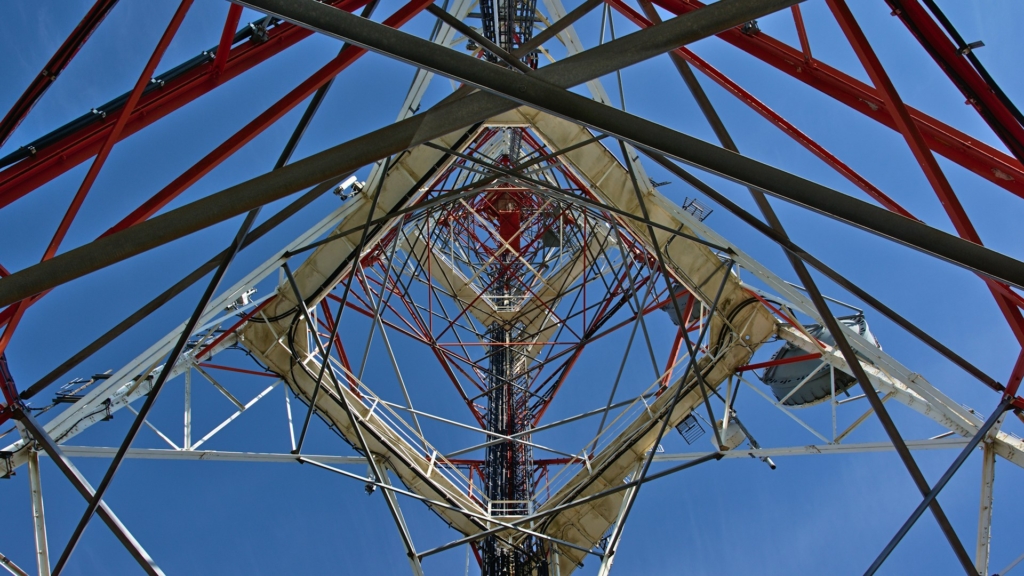
Blocked tower access points aren’t something anyone expects to deal with during a workday, but when they happen, things can go sideways quickly. Whether you’re on a planned maintenance job or responding to an urgent callout, losing a main entry or exit point can throw safety and workflow off balance. These access points are there for a reason, and when one of them is blocked or no longer usable, it’s important to act fast and think clearly.
In Perth and surrounding areas, towers are used across a range of worksites and structures. With spring well underway in October and crews stepping into more outdoor-intensive tasks, it’s a good time to revisit what happens when these key access points are suddenly unavailable. Understanding the causes, knowing what to do when it happens, and having the right mindset can make all the difference in staying safe and getting the job done right.
Overview Of Blocked Tower Access Points
When access to a tower gets blocked, it’s more than just a minor delay. It’s a real safety risk. These points are planned and constructed to give workers safe entry, exit and, in some cases, rescue options. Losing access to these spots during work can put both individuals and the whole team at risk, especially during emergencies.
Picture a typical scenario: a crew is halfway through a task when they notice their main ladder or attached cage is impossible to use. Maybe it’s been warped, an obstruction’s been left behind by another team, or there’s damage nobody knew about. If no backup access has been discussed or things haven’t been checked beforehand, people can get stuck—quickly.
Blocked access is also a concern during emergency evacuations or rescues. If the main route is unsafe or unusable, helping someone down becomes much harder. That’s why staying alert to potential access issues and having a solid backup plan is so important. Time lost figuring things out in the moment could increase the risk for everyone on-site.
Common Causes Of Blocked Access Points
Access points might seem secure, but a few common issues can cause trouble fast. Regular wear and tear is one factor, but towers can also face challenges from the environment or inconsistent onsite procedures. Some of the main causes include:
– Weather-related damage such as rust, corrosion or storm debris
– Temporary gear or tools left behind blocking ladders or platforms
– Structural issues from overdue repairs or lack of inspections
– Unauthorised changes or modifications by previous crews
– Overgrown vegetation or nesting animals in and around outdoor towers
All of these can make an access point unsafe to use. That’s where regular checks come into play. Simple visual inspections before and after use, paired with shared logs or checklists, help spot issues early. It’s easier to fix a small problem straight away than deal with a full block or a safety incident later.
Team members should also be clear about when to take action. Knowing the difference between a minor snag and a serious risk matters. When in doubt, speak up and step back. It’s always better to be cautious and raise the issue.
Immediate Steps To Take When Access Points Are Blocked
Walking up to a blocked access point can feel like a dead-end. But a calm, clear process makes a big difference. These steps can help crews stay safe and keep things under control:
- Take a step back and check for risks. Don’t attempt to move or clear anything yourself if the block looks unstable.
- Notify your team using radio or phone. Everyone on-site should know the access path isn’t safe to use.
- Get in touch with the safety officer or supervisor. They’ll decide what comes next and organise more help if required.
- Mark or block off the unsafe path so no one uses it by mistake.
- Refer to the emergency procedure and prepare for an alternate rescue or evacuation route.
Quick action is useful, but it works best when it’s backed by practice. Teams perform better when they’ve trained for this kind of situation. Knowing what to do reduces panic, speeds up response time, and prevents extra injuries. Never treat a blocked access point as just an inconvenience. Respond as if safety depends on it—because it often does.
Alternative Access And Rescue Methods
When the normal tower route can’t be used, having suitable backup options might be the only way to avoid delays or danger. Whether the job is on a rooftop antenna, construction framework, or electrical tower, surprises happen. It’s how teams respond that makes the difference.
Some of the backup methods crews can prepare include:
– Rope access systems that provide another way to ascend or descend
– Secondary ladders, installed on another part of the tower, if safe to use
– Use of mobile elevated work platforms (EWPs), cranes with manboxes, or similar access gear depending on the job site
When reviewing alternatives, think about safety and readiness. Ask the right questions during planning stages:
– Are suitable anchor points already in place for rescue lines or harnesses?
– Did the pre-start inspection confirm access is clear in other parts of the tower?
– Is weather stable enough for aerial gear to be used safely?
– Has the team completed relevant rescue training recently?
Here’s an example that happened just outside Perth: a small team faced a blocked cage near the top of a tower because a bird had nested inside it and become aggressive when approached. Instead of risking harm or disturbing the bird, the team used pre-installed anchor points to set up a rope access pathway to the working platform. This decision, based on prior briefings and site checks, helped them work around the problem safely and respectfully.
That kind of smart thinking doesn’t just appear overnight. It comes from training and experience. When teams review and practise alternate methods regularly, they’re more confident when pressure kicks in.
Preventative Measures And Long-Term Solutions
Dealing with the blockage is one thing. Making sure it doesn’t happen again is another. Building better habits and setting up lasting protections are what really boost site safety.
Start by locking in regular inspections. Ladders, cages, platforms and anchor points should all be checked regularly, not just when something looks off. Encourage teams to log their checks and take note of consistent trouble spots, like areas prone to rust or animal nesting.
Tidy habits also count. Leaving tools, cables, or jackets where they could fall or block a step creates a hazard. At the end of each job or shift, all team members should follow a clear site clean-up routine. No gear should be left behind near access points.
On top of that, maintenance needs to be timely and professional. If any part of the structure looks worn or damaged, raise the issue straight away and stop using that section. Only trained workers should carry out repairs, and only after the area is confirmed safe.
For long-term improvements, these actions go a long way:
– Add permanent backup access where possible
– Regularly train teams with tower rescue modules that match the equipment used on-site
– Run simulated emergencies to find weak spots in current response plans
– Work with neighbouring sites to share access information or updates that may affect shared towers
Planning ahead helps workers treat blocked access points as a problem to expect, rather than a rare surprise. That kind of thinking means fewer issues, faster responses and safer worksites.
Staying Ready for Tower Access Challenges
Blocked access points don’t usually announce themselves. They show up suddenly and demand smart decisions under pressure. Teams that succeed are the ones who stay prepared—checking sites thoroughly, running drills, and communicating well.
The more prepared your crew is, the less likely a blocked point becomes a major issue. Whether you’re working through Perth’s warmer months or moving between jobs across regional WA, investing time in safety and access planning pays off.
Confidence on-site doesn’t happen by chance. It’s built with knowledge, awareness and regular training that gives everyone the tools to make the right call when things don’t go to plan.
If your crew works around towers regularly, building real confidence starts with hands-on education. Access Unlimited’s tower rescue training in Perth gives your team the skills they need to handle blocked access points safely and efficiently. With practical knowledge and the right preparation, you can keep your site safer and your work running smoothly.