
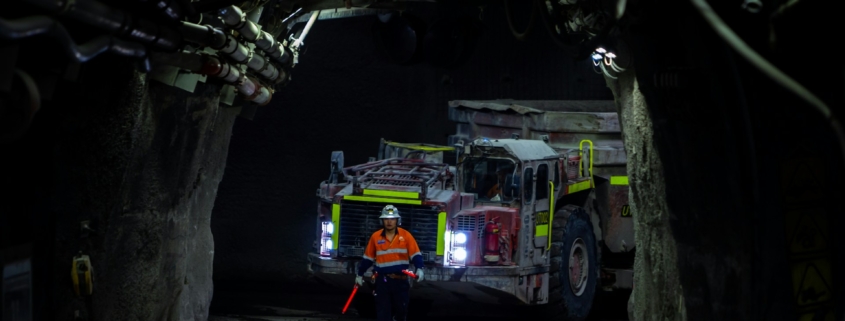
Confined Spaces

Working in a confined space can be challenging on its own, but feeling unwell while inside one can make things worse really fast. The thing is, symptoms can come up quietly and without warning. This is why it’s so important to know the early signs and act before things escalate, whether you’re on your own or part of a team. When there’s limited airflow or reduced visibility, even simple health issues like dizziness or headaches can become serious. Taking a moment to learn what to watch for can help you stay in control.

With spring on the horizon in Perth and more scheduled maintenance projects kicking off, many workers will be heading back into confined spaces after the slower winter period. Now’s a good time to revisit safety basics and make sure you’re prepared to handle things if they start to feel off. We’ll run through what symptoms to look out for, what to do next, and how to respond in a way that helps keep everyone safe.

Recognising Symptoms Of Feeling Unwell In Confined Spaces

Spotting the early signs of feeling unwell when you’re in a confined space is one of the best ways to keep a situation from getting out of hand. Most people don’t expect problems to start until something serious happens, but your body usually gives you a few hints before that stage.

Some of the most common symptoms include:

– Headaches or light-headedness

– Sudden tiredness or weakness

– Shortness of breath

– Nausea or queasiness

– Feeling confused or mentally foggy

– Rapid heartbeat or dizziness

These issues can be triggered by poor ventilation, heat, or lack of oxygen. But it’s not just about the space itself. Even mild dehydration, skipped meals, or small illnesses can affect you differently in a confined environment.

It helps to compare how you’re feeling now to how you’ve felt during other shifts. For example, if you usually feel fine but suddenly notice your hands are shaking or your breathing feels shallow, that’s a red flag. The trick is not brushing things off or waiting for someone else to mention it. If it feels wrong, it probably is.

Being around teammates can help too. If you’re working with someone, they might notice changes in how you’re moving or responding. They could also catch things you don’t realise are happening, like slurred speech or slowed reactions. Working solo? That’s where routine check-ins and knowing your limits become more important than ever.

Immediate Actions To Take

Once you start feeling unwell, what happens next matters just as much as spotting the signs in the first place. Your first move should always be to remove yourself from the space, if it’s safe to do so. Lingering can turn a mild issue into a much more serious event.

Here are a few steps to follow if you’re inside a confined space and start feeling unwell:

  1. Stop what you’re doing and steady yourself.
  2. Let your team or standby person know immediately. Use your radio or other communication device, even if you’re unsure how serious it is.
  3. Start heading towards the nearest safe exit. If you’re connected to fall restraint or breathing gear, move carefully and disconnect safely only when you’re secure.
  4. Breathe slowly and sit down once clear of the space. Give yourself a few minutes before making any decisions about continuing work.
  5. Let someone know how you’re feeling. Don’t downplay it.

Communication is key here. Most work sites have rules about check-ins, and those are there for a reason. Using those protocols when symptoms show up could be what prevents an emergency from happening. Even if the feeling passes, it’s worth reporting so proper checks can be done.

In some cases, workers have described feeling “weird but okay” before later realising they were on the edge of passing out. Reacting early gives you a better shot at recovery and spares your teammates the added risks that come with helping someone who’s collapsed inside limited space.

Next up, we’ll look at how and when to seek medical help and why a first aid kit shouldn’t be far from reach.

Seeking Medical Attention

After exiting the space and informing your team, it’s easy to brush things off and assume a bit of rest will do the trick. But when symptoms suggest something more serious like sharp chest pain, trouble breathing, or confusion that doesn’t clear quickly, it’s time to take things further. Seeking help from a medical professional isn’t overreacting. It’s just part of working safely.

Even if the symptoms improve once you’re in fresh air, there might still be lingering effects from low oxygen levels or exposure to gases. These can sneak up again later and cause more trouble if untreated. Having a trained medic review your condition gives clear guidance on whether it’s safe to return to work or if rest is the better option. If you’re not sure whether it warrants checking in with a doctor, lean on the side of caution.

Keeping a stocked and updated first aid kit on site also plays a part. Kits should include items that can handle common reactions like nausea, dizziness, or even minor injuries caused by tripping or bumping into walls during an episode. Most importantly, someone nearby should always know how to use the equipment properly. That includes knowing when something is beyond first aid and needs further help from professionals.

Think of a time when someone around you didn’t speak up because they didn’t want to slow down the job. Maybe they looked pale or lost their balance, and the team assumed it was nothing. By the end of the day, they might have ended up at the doctor anyway. Getting ahead of it earlier means staying safe and avoiding downtime later.

Preventative Measures That Make A Difference

Avoiding these issues altogether is the better outcome. And while you can’t completely shield yourself from feeling unwell, there are ways to lower the chances.

Here are a few actions that help prevent health problems while working in a confined space:

– Book regular health check-ups, especially if you’re on tough shifts often or in high-heat environments.

– Stay hydrated throughout the workday and avoid skipping meals. Dehydration can kick in quicker than expected.

– Make sure air quality is tested before every entry. Poor airflow or harmful vapours can trigger symptoms even when you’re feeling healthy beforehand.

– Maintain and inspect ventilation equipment before each shift. Clean intakes and filters help support fresh air flow into confined areas.

– Limit time spent inside when possible, and rotate tasks among co-workers to reduce fatigue or exposure to heat or fumes.

Prevention also means being honest about how you’re feeling before starting a job. If you woke up feeling slightly off, tight chest, woozy, or just not right, take that seriously. Waiting until you’re already deep inside a confined area won’t just make things worse, it’ll make it harder to get out safely.

Planning ahead helps here. If you know the worksite will push you physically, make room for breaks and have someone on standby who stays aware of your check-ins. Awareness and accountability can make a big difference before a small symptom grows into a workplace emergency.

The Value Of Confined Space Training And Strong Protocols

Knowing what to do when you start feeling off is important, but training and set procedures are what tie it all together. Confined space training in Perth builds that confidence by preparing workers with the right steps, tools, and mindset they need when things go sideways.

Good training puts focus on how to detect signs of fatigue or illness in yourself and others. It also teaches clear communication practices so no one is ever left in the dark when something goes wrong. Workers learn how to assess risks, read the environment, and use gear correctly including how to get out fast if needed.

Company protocols add an extra layer of safety. When each person knows the steps to take, there’s less guesswork and delay during a real event. Training also improves muscle memory so that even under stress, workers follow the right process.

Whether you’re brand-new to the field or experienced with confined spaces, staying updated and refreshed on training matters. Just like gear needs maintenance to stay reliable, the same goes for the knowledge that keeps you and your team safe. In environments as unpredictable as confined areas, planning for the unexpected is just part of the job.

That little moment you take to check your surroundings or evaluate a symptom early might be what keeps you walking out safe at the end of the shift. Preparation backs every safe decision, and that all starts with knowing what to do before and during the job.

If you want to feel more confident safely entering and exiting enclosed areas on the job, look into confined space training in Perth with Access Unlimited. Our courses are designed to help workers handle tricky environments with the right knowledge and practical skills for real-world situations.

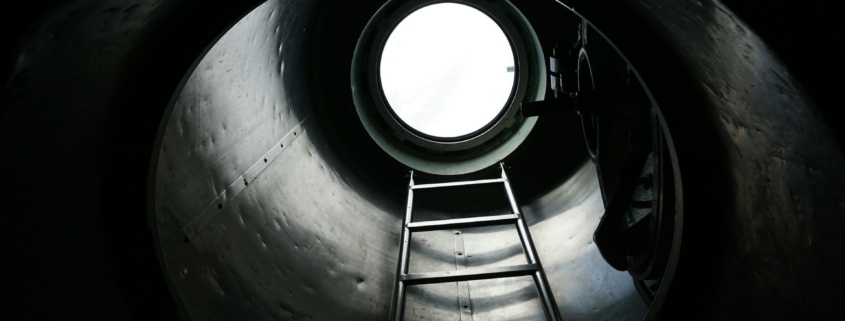
confined space

Entering confined spaces is no simple task. These areas, often found in industrial environments, can pose serious risks if not approached with caution. Picture places like storage tanks, pipelines, or even silos—all of these require special attention and care. The challenge lies in the limited space and potentially hazardous conditions. This is why understanding common mistakes beforehand can prevent unfortunate incidents and ensure the safety of everyone involved.

In Perth, many industries utilize confined spaces, which makes trained professionals essential. Think of the mining sector or construction sites—both need their workers to be well-prepared for roomier-work scenarios as well as challenging confined spaces. As with any task involving risk, knowledge and preparation are your best friends. Learning from others’ mistakes can save time, resources, and importantly, lives.

Common Mistakes During Confined Space Entry

1. Failure to Assess Hazards Correctly

– Overlooking hazards is like running blindfolded in an obstacle course. It’s vital to do a thorough check of the area and identify possible risks. These might include insufficient oxygen, toxic gases, or areas prone to collapse. Missing these signs could lead to dangerous situations.

2. Inadequate Training and Certification

– Imagine trying to drive a car without ever taking lessons. Skipping proper training is just as risky. Workers need specific training tailored to the spaces and conditions they face. In Perth, where industries vary widely, having up-to-date confined space training ensures everyone knows how to handle unexpected challenges.

3. Poor Communication and Coordination

– Communication is key in any team effort. Without clear instructions or signals, things can quickly go south. Confined spaces require seamless coordination among team members. Misunderstandings or lack of communication can result in accidents that could have been avoided with a simple talk-through.

4. Faulty or Insufficient Equipment

– Imagine a knight going into battle with broken armor. That’s similar to tackling a confined space with inadequate tools. Equipment should be checked and maintained regularly to make sure it’s fit for the job. This includes ensuring all safety gear, like helmets and gas detectors, is in top-notch condition.

5. Ignoring Emergency Procedures

– Everyone hopes for the best, but preparing for the worst is smart. Skipping out on emergency drills or ignoring the protocol is like not packing a lifeboat on a journey. Emergencies are unpredictable, so knowing the proper procedures can be life-saving.

Avoiding these common mistakes starts with awareness and training. When entering confined spaces, being prepared makes all the difference. With proper training and equipment, workers can perform their tasks safely, knowing they are well-equipped to handle any surprises.

Best Practices to Avoid These Mistakes

Avoiding mistakes begins with using best practices. Conducting a thorough risk assessment before any entry is vital. This means identifying potential hazards like gas pockets or unstable structures in the confined space. Always double-check for new risks that might have appeared since the last inspection. It’s a bit like checking your surroundings before crossing the street—simple, but it makes everything safer.

Proper training is another key factor. All workers should complete training programs specific to the types of confined spaces they encounter. Courses offered in Perth ensure workers stay informed on the latest safety practices and regulatory changes. Picture this as learning the rules of a game—knowing them well prepares you to handle any unexpected changes in the situation.

Communication within the team should be clear and continuous. Use simple and effective tools like radios or hand signals to ensure everyone is on the same page, preventing misunderstandings that could lead to accidents. Think of it as having a conversation in a noisy room—you need to make sure your message gets across loud and clear.

Regular checks and maintenance of equipment are crucial. Always ensure everything from gas detectors to personal protective equipment is in tip-top condition before using it. A checklist can help keep track of what needs checking and when. It’s like looking under the hood before a long car trip—you want everything running smoothly.

Lastly, always follow established emergency procedures. Practice drills can help everyone know their roles in case of an emergency. Having a well-rehearsed plan is like knowing where the exits are in a movie theatre—everyone knows what to do if something goes wrong.

Tailored Training Solutions in Perth

Local knowledge and specialized training play a major role in avoiding mistakes. Perth’s unique industrial landscape requires a fresh approach to training. Tailored solutions take into account local conditions and industry-specific challenges. This means that workers receive relevant and practical training to address the situations they are most likely to face.

Engaging in customized programs means workers are better prepared to handle localised hazards peculiar to Perth’s industries. For instance, mining in the region may present different challenges compared to construction tasks, and training should reflect these differences. This makes the training immediately applicable and effective, reducing the risk of errors caused by a one-size-fits-all approach.

Creating a Safety-First Culture

Building a culture that prioritizes safety is paramount. Encouraging teams to think about safety at every step creates an environment where safe practices become second nature. This involves leadership commitment to safety, constantly reinforcing the message that safety comes before speed or convenience.

Continuous learning is a part of this culture. Promoting ongoing education and refresher courses keeps everyone at the top of their game. Just like reading a new book every now and then, continuous learning helps keep the mind sharp and alert for any new challenges that might come up.

By establishing this type of culture, accidents can significantly decrease. Everyone works with a clearer focus on how their actions impact not just their safety, but also that of their colleagues. In the end, the well-being of team members becomes a shared responsibility, resulting in a more harmonious and productive work environment.

Keeping Safe and Compliant

Safety isn’t just about avoiding accidents, it’s about being proactive. Regular training refreshers help teams stay compliant with ever-changing safety regulations. Keeping up with these trainings prevents lapses in knowledge and prepares workers for new safety protocols they might need to adopt.

It’s also important to seek professional training services to maintain a high level of safety practice. Reliable training programs cover a variety of scenarios and equip workers with the necessary skills to tackle different confined space challenges. This way, workers can approach their duties with both confidence and competence, ensuring a safer workplace for everyone involved.

To make your workspace safer and align with industry standards, consider enhancing your team’s skills through confined space training in Perth. Access Unlimited provides comprehensive training tailored to meet your specific needs and help manage local challenges effectively. Equip your team with the knowledge and confidence to handle confined space tasks professionally and safely.

confined space

Confined spaces can present hidden dangers that are often overlooked. From storage tanks to small tunnels, these areas might appear functional but can quickly become dangerous if not managed properly. The risks in confined spaces range from oxygen deficiency to exposure to toxic gases. These elements make it crucial for workers to understand the potential hazards they face in such environments. Ensuring safety requires awareness and preparation, as knowing what to anticipate can save lives and prevent accidents.

When dealing with confined spaces, understanding hazards is the first step to mitigate risks. It’s not just about being cautious—it’s about being informed. By recognizing these dangers, individuals can better equip themselves and use preventive measures effectively. This approach helps keep not only themselves safe but also their peers and the workplace as a whole.

Common Hazards in Confined Spaces

Confined spaces come with their own set of challenges. It’s important to know what you might encounter to ensure safety. Here are some of the most common hazards:

– Oxygen Deficiency: Confined spaces often have limited oxygen levels, which can lead to suffocation. This might occur due to the presence of other gases or biological processes that consume oxygen. Proper ventilation is key to maintaining a safe environment.

– Toxic Atmospheres: Many confined spaces contain hazardous gases like hydrogen sulfide or carbon monoxide. These can be released from the materials stored or the process taking place in the space. Toxic gases can be deadly even in small concentrations, making it essential to check air quality before entry.

– Flammable Atmospheres: If a confined space contains flammable substances, there’s a risk of explosion. This could be due to gases, vapors, or combustible dust. Ensuring that ignition sources are controlled and the space is well-ventilated can prevent accidents.

– Physical Hazards: These include the risk of being trapped, or injured by falling objects. Restricted entry points and poorly lit areas can add to the danger. Being aware of your surroundings and wearing the correct gear can help navigate these physical risks.

– Noise and Machinery: Working in a confined area with loud machinery can diminish the ability to communicate and hear warning signals. It also poses a threat to hearing over time. Using ear protection and setting up alternative communication methods can be beneficial in these settings.

Understanding these hazards lays the groundwork for managing safety in confined spaces. Recognizing what’s dangerous allows workers to take appropriate precautions and make informed decisions.

Identifying and Assessing Hazards

Recognising hazards in confined spaces before entering them can greatly reduce the risk of accidents. Here are some steps you can take to identify and assess these hazards:

1. Pre-entry Inspection: Conduct a thorough inspection of the confined space to evaluate any immediate dangers. Check for signs of previous issues such as labels indicating the presence of hazardous materials or worn safety equipment. Observing these indicators early helps in planning the necessary safety measures.

2. Continuous Monitoring: Once the work in the confined space begins, continuous monitoring of the environment is key. Using gas detectors and other monitoring tools can catch changes in air quality or structural integrity. Staying vigilant about changes can prevent accidents before they occur.

3. Hazard Assessment Tools: Utilize tools designed for hazard assessment. These might include gas detectors for checking oxygen levels or devices that evaluate the structural safety of the space. Incorporating these tools into your routine checks ensures a safer working environment for everyone involved.

A good example of this practice could be a team preparing to enter an underground pipeline. Before starting their work, they conduct a thorough check of the entry points, ensure steady ventilation, and maintain regular communication. This process can efficiently identify issues like low oxygen levels, thereby enabling the team to address them promptly.

Handling and Mitigating Confined Space Hazards

Once hazards are identified, effective handling and mitigation become the focus. Here’s how you can manage them:

– Proper Ventilation and Testing: Ensure the space is well-ventilated and conduct atmosphere checks regularly. This includes testing for dangerous gases and confirming safe oxygen levels, vital steps in creating a secure environment.

– Personal Protective Equipment (PPE): Always equip yourself with the necessary PPE. This can include respiratory masks, helmets, and protective suits. Selecting the right gear based on identified hazards can make a huge difference in dealing with emergencies effectively.

– Safe Work Procedures: Develop and follow meticulous work procedures. Entry permits, clear communication systems, and predetermined exits can manage and lessen risks. Establishing these protocols ensures every team member knows their role and the procedures to follow.

– Emergency Response Plans: Have a plan in place for emergencies. This involves training on escape routes, use of emergency equipment, and effective team coordination. A clear response plan not only prepares you for potential incidents but also brings peace of mind to the entire team.

The Role of Training in Confined Space Safety

Training plays a significant role in understanding, identifying, and dealing with confined space hazards. Here’s why:

– Professional Training Benefits: Receiving structured training equips workers with the skills to tackle confined space tasks safely. By learning from professionals, workers gain insights into best practices and latest safety techniques.

– Training Curriculum: Confined space training typically covers hazard identification, emergency procedures, and the use of PPE. Having a comprehensive understanding of these topics ensures proficiency.

– Regular Refresher Courses: Ongoing training is vital for staying updated on new safety standards and equipment. Regular courses ensure that workers remain sharp and confident in their abilities, thus reducing the chances of errors in practice.

In conclusion, handling confined spaces requires more than just awareness—it demands an active approach to safety and continuous learning. By integrating thorough inspections, effective handling strategies, and ongoing training, workers can mitigate risks and ensure a safer working environment.

For those keen on improving their safety skills and ensuring a secure work environment, consider expanding your knowledge through confined space training in Perth. Access Unlimited offers comprehensive courses tailored for understanding and mitigating risks in such challenging environments. Get equipped with the knowledge and skills you need today.