Workplaces in Perth can face many types of risks, and fire is one that applies to nearly every type of job site. Whether it’s a small retail store or a busy construction zone, having the right training in place helps people stay calm and act safely when it matters most. Basic fire training in Perth is one of the most practical ways to prepare for these kinds of emergencies. It gives workers clear steps to follow and tools they can use in high-pressure moments.
With summer heating up across Western Australia, fire safety becomes even more important. Machinery, electrical equipment, and dry surroundings can make worksites more vulnerable. Understanding what this type of training offers helps workers feel more ready and safe in their roles. Here’s a breakdown of what’s covered and why it’s something every team should take seriously.
Understanding Fire Hazards at Work
Workplaces in Perth don’t all carry the same fire risks, and that’s one reason why hazards should be looked at differently from site to site.
- On construction sites, loose debris near welding or grinding can easily catch fire
- Warehouses often store flammable materials, creating risks if machinery overheats
- Offices or shops still carry dangers from overloaded sockets or forgotten appliances
Recognising risk starts with the people on the ground. Workers who understand what to watch for can often stop problems before they begin. Reporting signs early, like they’ve seen a new spark in a faulty power tool or a burning smell near a fan, gives the site a chance to respond. Fire safety starts from awareness, and that comes from training that puts the understanding into the hands of the workers themselves.
What You Learn in Basic Fire Training
Basic fire training gives practical tools that workers can use in real situations. This kind of training isn’t about learning theory, it’s about teaching action, quick, correct and safe.
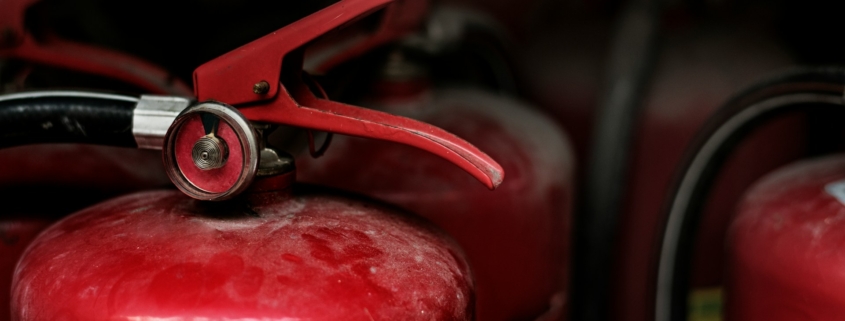
- One of the first things covered is how fires are classified and which extinguishers to use
- The training outlines the differences between flammable liquids, electrical fires, and materials like paper or wood
- Participants learn how to spot which extinguisher suits a situation without second-guessing
The steps to follow in an emergency are easy to remember but need to be practised. Knowing when to raise the alarm, how to help others, and when to evacuate must become second nature. That’s why hands-on activities help so much. During most training, people will practise picking up real extinguishers, using them on training setups, and walking through a basic response plan.
This shows them what pressure feels like, how the tools respond, and what to do when someone nearby needs direction. It also builds confidence, not only in handling equipment but also in staying calm under stress.
Where and How Training Is Delivered in Perth
Basic fire training doesn’t always look the same. Some workers learn in proper training centres, while others might have courses held on-site. Both settings have their uses.
- Training centres often give access to specialised setups that simulate real fire response conditions
- On-site training shows people how to react in the very place they work, using familiar exits and surroundings
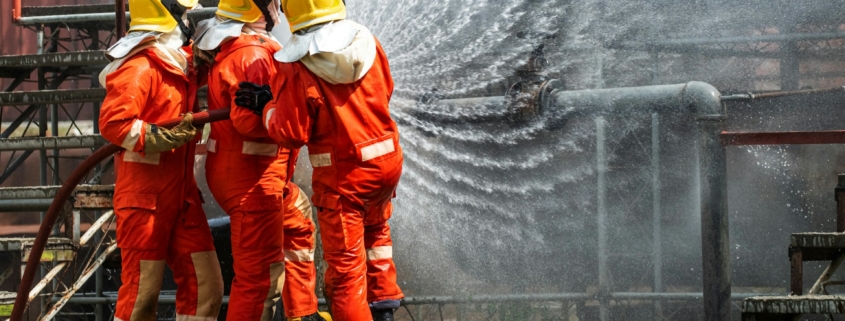
- Practical drills often include alarms, mock evacuations, or responding as if a fire has broken out
At Access Unlimited’s Malaga training centre in Perth, learners benefit from state-of-the-art equipment and realistic environments that closely mirror worksite conditions. Our training team are highly experienced in delivering nationally recognised safety courses in accordance with Australian standards.
Weather and heat in Perth can also come into play. In summer, training might factor in high temperatures and how they impact the fire risk on metal surfaces, temporary storage areas, or gear. Local regulations around fire drills and safety gear also impact what must be learned to meet expectations across industries. By training to match real conditions, workers walk away with experience that matches what they may face.
Who Should Get This Training and When
Fire safety training isn’t just for full-time staff or supervisors. It often starts with new workers during onboarding but expands far beyond that.
- Anyone starting in a new role should complete fire training early so they know what’s expected of them
- Staff working around combustible materials or machines that get hot quickly should refresh their knowledge often
- Teams that change seasonally, like summer labour crews, benefit from short-term refreshers to refocus on safety
Even if someone completed this training before, it’s easy to forget the order of steps or grow unsure about newer extinguisher models. If it’s been a while since the last session, or if the workplace has changed sites or hazards, it’s likely time for another round of practice.
Acting in Time Minimises Damage
Fires move quickly, and waiting for help can make things worse fast. People who have done fire training are more likely to notice when something’s wrong and more ready to make fast choices that help everyone.
- When someone stays calm and acts quickly, they can stop a small issue from turning serious
- Basic fire skills help everyone feel safer and stay focused, even when something unexpected happens
- A strong safety plan is only as good as the people trained to follow it
It’s not about being fearless or never making mistakes. It’s about knowing what simple things to do first, when not to take risks, and how to help others stay clear and safe during a stressful event.
Fire training is one of those things that people hope they’ll never use, but when they do need it, it can make all the difference. Having that training ahead of time means fewer delays, less panic, and better safety for everyone on-site.
Enhance Worksite Safety with Expert Fire Training
As your team works on-site across Perth this summer, now is the perfect opportunity to refresh safety procedures and review fire response steps. We cover every critical skill in training, from identifying early risks to using equipment correctly during emergencies. Our basic fire training in Perth helps your team feel prepared when fast decisions matter. At Access Unlimited, we believe true confidence comes from hands-on experience and clear, simple actions. Ready to boost your team’s fire response capabilities? Contact us today to get started.