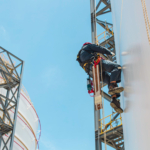
What To Do If You Feel Unwell In A Confined Space

Working in a confined space can be challenging on its own, but feeling unwell while inside one can make things worse really fast. The thing is, symptoms can come up quietly and without warning. This is why it’s so important to know the early signs and act before things escalate, whether you’re on your own or part of a team. When there’s limited airflow or reduced visibility, even simple health issues like dizziness or headaches can become serious. Taking a moment to learn what to watch for can help you stay in control.
With spring on the horizon in Perth and more scheduled maintenance projects kicking off, many workers will be heading back into confined spaces after the slower winter period. Now’s a good time to revisit safety basics and make sure you’re prepared to handle things if they start to feel off. We’ll run through what symptoms to look out for, what to do next, and how to respond in a way that helps keep everyone safe.
Recognising Symptoms Of Feeling Unwell In Confined Spaces
Spotting the early signs of feeling unwell when you’re in a confined space is one of the best ways to keep a situation from getting out of hand. Most people don’t expect problems to start until something serious happens, but your body usually gives you a few hints before that stage.
Some of the most common symptoms include:
– Headaches or light-headedness
– Sudden tiredness or weakness
– Shortness of breath
– Nausea or queasiness
– Feeling confused or mentally foggy
– Rapid heartbeat or dizziness
These issues can be triggered by poor ventilation, heat, or lack of oxygen. But it’s not just about the space itself. Even mild dehydration, skipped meals, or small illnesses can affect you differently in a confined environment.
It helps to compare how you’re feeling now to how you’ve felt during other shifts. For example, if you usually feel fine but suddenly notice your hands are shaking or your breathing feels shallow, that’s a red flag. The trick is not brushing things off or waiting for someone else to mention it. If it feels wrong, it probably is.
Being around teammates can help too. If you’re working with someone, they might notice changes in how you’re moving or responding. They could also catch things you don’t realise are happening, like slurred speech or slowed reactions. Working solo? That’s where routine check-ins and knowing your limits become more important than ever.
Immediate Actions To Take
Once you start feeling unwell, what happens next matters just as much as spotting the signs in the first place. Your first move should always be to remove yourself from the space, if it’s safe to do so. Lingering can turn a mild issue into a much more serious event.
Here are a few steps to follow if you’re inside a confined space and start feeling unwell:
- Stop what you’re doing and steady yourself.
- Let your team or standby person know immediately. Use your radio or other communication device, even if you’re unsure how serious it is.
- Start heading towards the nearest safe exit. If you’re connected to fall restraint or breathing gear, move carefully and disconnect safely only when you’re secure.
- Breathe slowly and sit down once clear of the space. Give yourself a few minutes before making any decisions about continuing work.
- Let someone know how you’re feeling. Don’t downplay it.
Communication is key here. Most work sites have rules about check-ins, and those are there for a reason. Using those protocols when symptoms show up could be what prevents an emergency from happening. Even if the feeling passes, it’s worth reporting so proper checks can be done.
In some cases, workers have described feeling “weird but okay” before later realising they were on the edge of passing out. Reacting early gives you a better shot at recovery and spares your teammates the added risks that come with helping someone who’s collapsed inside limited space.
Next up, we’ll look at how and when to seek medical help and why a first aid kit shouldn’t be far from reach.
Seeking Medical Attention
After exiting the space and informing your team, it’s easy to brush things off and assume a bit of rest will do the trick. But when symptoms suggest something more serious like sharp chest pain, trouble breathing, or confusion that doesn’t clear quickly, it’s time to take things further. Seeking help from a medical professional isn’t overreacting. It’s just part of working safely.
Even if the symptoms improve once you’re in fresh air, there might still be lingering effects from low oxygen levels or exposure to gases. These can sneak up again later and cause more trouble if untreated. Having a trained medic review your condition gives clear guidance on whether it’s safe to return to work or if rest is the better option. If you’re not sure whether it warrants checking in with a doctor, lean on the side of caution.
Keeping a stocked and updated first aid kit on site also plays a part. Kits should include items that can handle common reactions like nausea, dizziness, or even minor injuries caused by tripping or bumping into walls during an episode. Most importantly, someone nearby should always know how to use the equipment properly. That includes knowing when something is beyond first aid and needs further help from professionals.
Think of a time when someone around you didn’t speak up because they didn’t want to slow down the job. Maybe they looked pale or lost their balance, and the team assumed it was nothing. By the end of the day, they might have ended up at the doctor anyway. Getting ahead of it earlier means staying safe and avoiding downtime later.
Preventative Measures That Make A Difference
Avoiding these issues altogether is the better outcome. And while you can’t completely shield yourself from feeling unwell, there are ways to lower the chances.
Here are a few actions that help prevent health problems while working in a confined space:
– Book regular health check-ups, especially if you’re on tough shifts often or in high-heat environments.
– Stay hydrated throughout the workday and avoid skipping meals. Dehydration can kick in quicker than expected.
– Make sure air quality is tested before every entry. Poor airflow or harmful vapours can trigger symptoms even when you’re feeling healthy beforehand.
– Maintain and inspect ventilation equipment before each shift. Clean intakes and filters help support fresh air flow into confined areas.
– Limit time spent inside when possible, and rotate tasks among co-workers to reduce fatigue or exposure to heat or fumes.
Prevention also means being honest about how you’re feeling before starting a job. If you woke up feeling slightly off, tight chest, woozy, or just not right, take that seriously. Waiting until you’re already deep inside a confined area won’t just make things worse, it’ll make it harder to get out safely.
Planning ahead helps here. If you know the worksite will push you physically, make room for breaks and have someone on standby who stays aware of your check-ins. Awareness and accountability can make a big difference before a small symptom grows into a workplace emergency.
The Value Of Confined Space Training And Strong Protocols
Knowing what to do when you start feeling off is important, but training and set procedures are what tie it all together. Confined space training in Perth builds that confidence by preparing workers with the right steps, tools, and mindset they need when things go sideways.
Good training puts focus on how to detect signs of fatigue or illness in yourself and others. It also teaches clear communication practices so no one is ever left in the dark when something goes wrong. Workers learn how to assess risks, read the environment, and use gear correctly including how to get out fast if needed.
Company protocols add an extra layer of safety. When each person knows the steps to take, there’s less guesswork and delay during a real event. Training also improves muscle memory so that even under stress, workers follow the right process.
Whether you’re brand-new to the field or experienced with confined spaces, staying updated and refreshed on training matters. Just like gear needs maintenance to stay reliable, the same goes for the knowledge that keeps you and your team safe. In environments as unpredictable as confined areas, planning for the unexpected is just part of the job.
That little moment you take to check your surroundings or evaluate a symptom early might be what keeps you walking out safe at the end of the shift. Preparation backs every safe decision, and that all starts with knowing what to do before and during the job.
If you want to feel more confident safely entering and exiting enclosed areas on the job, look into confined space training in Perth with Access Unlimited. Our courses are designed to help workers handle tricky environments with the right knowledge and practical skills for real-world situations.