Managing Vertigo While Working At Heights
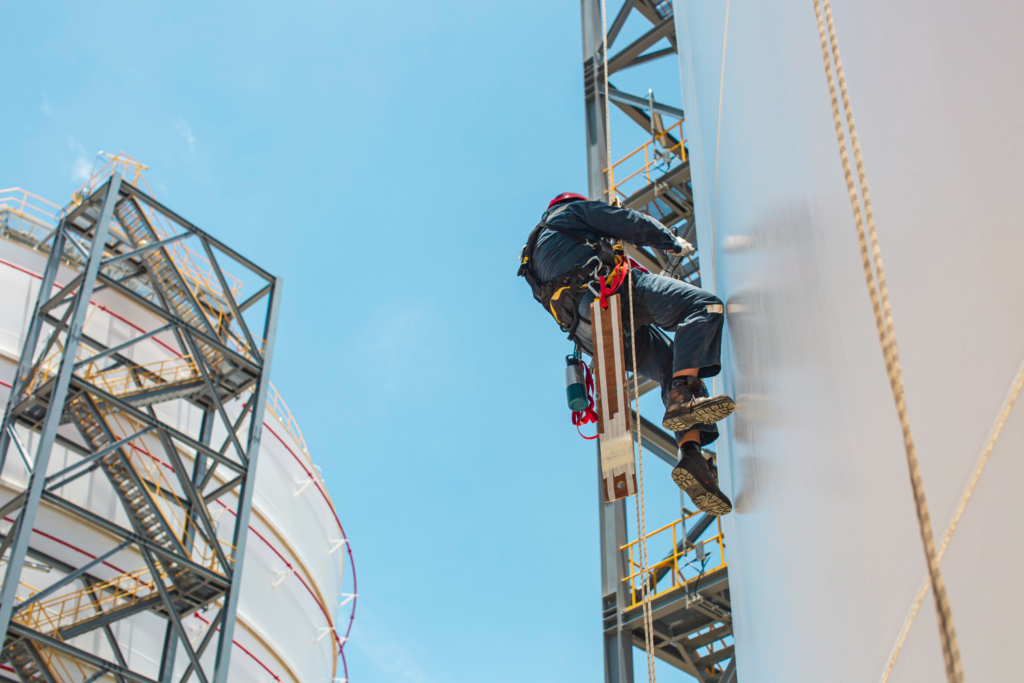
Working at heights comes with a unique set of challenges. For many, the thought of being several storeys above ground can trigger uneasy feelings. But for some, it’s more than just nerves, it’s vertigo. That dizzy spell or spinning sensation can make simple tasks feel risky. When you’re standing on scaffolding or suspended by a harness, even a moment of imbalance can be unsettling and sometimes dangerous. That’s why being aware of vertigo and knowing how to manage it becomes a big part of staying safe on the job.
Whether you’re new to the work or have plenty of experience, understanding how vertigo shows up and how to deal with it can make a noticeable difference. From preparation to on-the-job strategies, managing vertigo isn’t about trying to power through symptoms. It’s about listening to your body, using the right techniques, and making smarter choices about the way you work. As we head into the warmer months in Perth, more teams will be onsite and at heights, so now’s a great time to check in on how vertigo is being handled in your crew.
Understanding Vertigo And Its Triggers At Height
Vertigo isn’t the same as a fear of heights. Although both can affect how safe you feel off the ground, vertigo is usually a physical reaction rather than a mental one. It’s a condition that causes a false sense of movement, like you or the space around you is spinning or tilting even when you’re still. For someone high up on a structure, this confusion between motion and stillness can shake balance and blur focus really fast.
Some of the typical symptoms include:
– Spinning sensation even when standing still
– Feeling light-headed or off-balance
– Nausea or upset stomach
– Trouble focusing the eyes
– Sensitivity to motion or sudden head turns
Vertigo happens when there’s a glitch in the way your inner ear, eyes, and brain work together to keep you balanced. When these systems send mixed signals, which can happen with height, wind sway, or even certain head movements, it’s easy to lose that steady feeling. Tools like harnesses or ropes can offer physical support, but when your brain feels like the ground is shifting when it’s not, confidence takes a hit too.
People may experience vertigo out of the blue on a platform or high scaffold. One example is a technician working on a rooftop installation who mentioned feeling fine while climbing but unsteady once they stopped moving. That stillness interrupted their sense of balance and the surroundings seemed to shift. Recognising these triggers early can help avoid making things worse with sudden movements or risky decisions.
Certain jobs or locations might act as triggers more often. Long vertical climbs, open-edge work where there’s no solid backdrop, or tasks that involve rotation or leaning out can all add to the problem. Even quick changes in weather, like gusts of wind, may throw things off. Knowing where problems tend to start can help workers take precautions and adjust the way they move.
Understanding the feeling isn’t enough. The next step is learning how to reduce its impact. That starts before the day begins and continues throughout the task.
How To Manage Vertigo At Work
The good news is that a few practical steps can lower the chances of vertigo kicking in while still getting the job done. These habits may not remove the issue completely, but they create conditions where you’re more likely to stay steady, calm, and alert.
Here are a few useful tips for reducing symptoms and improving comfort when working from height:
1. Stay hydrated
Dehydration can increase dizziness. Drinking water regularly keeps your system balanced.
2. Eat light and smart
Avoid heavy meals before climbing. A light snack with protein or complex carbs helps maintain energy.
3. Rest well
Sleep helps the body keep its balance systems in check. Starting the day rested makes a difference.
4. Pace your movements
Quick or jerky moves can trigger symptoms. Keep actions smooth and deliberate.
5. Test your position
If safe, stay at lower heights for a moment before heading higher to see how your body reacts.
6. Keep eyes level
Fixing your gaze on a stable point ahead may reduce the spinning feeling.
7. Let your team know
If you’re feeling off, having a plan to switch tasks or lower safely is better than pushing through.
Over time, getting used to heights can help the body adapt. Steady and repeated exposure, when done in safe, controlled ways, builds trust in your own balance and space awareness. That gradual exposure, paired with knowing your limits, can take the fear out of the feeling and stop vertigo from taking control. When your work requires it regularly, this kind of adjustment can rebuild your confidence from the ground up.
The Role Of Training In Managing Vertigo
Getting used to working at heights doesn’t always come naturally, especially if vertigo has been part of your experience. In some cases, people avoid training altogether in hopes that ignoring the problem might make it disappear. But that hope can leave workers unprepared when they need steady footing the most. Proper training builds both the physical and mental readiness to do the job safely, even in uncomfortable conditions.
Structured training sessions cover more than just safety gear and rules. They often give workers a safer space to explore how their body reacts high above the ground. Whether that’s learning how to move confidently on scaffolds or how to pause and regain balance when things feel off, training replaces guesswork with tested actions. The right training also shows how to handle equipment during dizzy spells or how to communicate with your team when symptoms kick in.
In Perth, working at heights training often uses simulated environments to mimic jobsite conditions. These setups allow people to feel what height actually does to their sense of balance, but in a controlled way. Stepping out onto platforms, learning how movement affects visual focus, and taking your time through hand-over-hand climbs all help build that internal trust. You start to think less about what can go wrong and pay more attention to what you’re doing right.
Hands-on repetition also builds muscle memory. So even if a dizzy moment comes up, your body already knows what to do—slow down, shift weight, hold your anchor. Over time, those automatic responses become one of the tools in your belt. Instead of being thrown off every time vertigo shows up, you’re taught how to handle it without panic. That sort of calm can make a big difference when working high up in Perth’s rising spring temperatures, where jobs are often fast-paced and require a steady head.
The Difference A Reliable Training Environment Makes
Where you train can shape how you perform on site. Generic lessons inside a regular classroom may not cut it when you’re preparing for height-sensitive work. That’s why hands-on training in a setting that mirrors what real height work feels like plays a big role. Being able to practise proper climbing techniques, adjust your harness safely, and learn how to balance on structures all adds to the learning curve.
Engaging in real-world scenarios under the watch of experienced instructors also helps you build self-awareness. If a trainer sees you shift your body in a way that might lead to imbalance, they can pick it up and help you adjust. That feedback loop gives you the chance to get more control over how you move and react in difficult situations. With consistent exposure and support, what once felt nerve-racking starts to feel manageable.
When vertigo symptoms start showing up, it helps to hear from others in the same space—ones who’ve felt similar disorientation and learned practical ways to deal with it. A good training environment makes space for questions, shared experiences, and small tricks that work in the real world. Whether that’s how to focus your breathing on a tall ladder or where to look while you step across a beam, it’s the kind of practical advice that sticks.
Training won’t stop the body from reacting altogether, but it puts you in charge of how you handle those reactions. In many cases, that makes all the difference. You go from being cautious and unsure to being aware and prepared.
Taking Back Control At Height
Vertigo might never fully go away for some workers, but that doesn’t mean it has to run the job. Learning how it works, spotting early signs, and knowing how to safely respond gives real control back to the person climbing. It’s not about pretending you’re fine or pushing through. It’s about being honest with what your body feels and staying safe without walking away from tasks that matter.
Building that comfort takes a combination of time, habits, and proper instruction. You learn to pay attention to signals, pace yourself when needed, and have a plan when symptoms creep in. That preparation adds up. By the time you take on work at height—whether it’s cleaning, rigging, or inspection—it no longer feels like something dangerous to be endured. It feels like something you’re equipped to manage.
Professional training helps make that shift. Not by promising a fix, but by showing you that with the right tools and approach, focusing on safety becomes routine. In a city like Perth, where outdoor height work stays consistent across industries, that kind of readiness lets you step onto the job with clear footing and a calmer mind.
When you’re ready to boost your skills and manage vertigo with more confidence, Access Unlimited offers comprehensive working at heights training in Perth. Our hands-on courses help you build steady habits, improve balance, and stay safe no matter the height. Join us to feel more prepared and in control on the job.