Addressing Communication Breakdowns During Tower Work
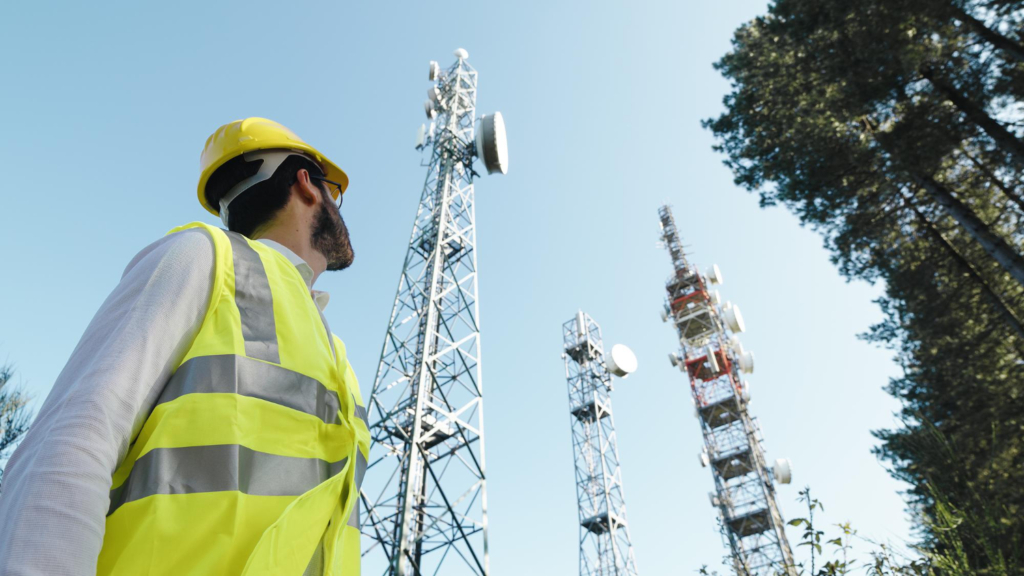
When you’re working at height, good communication can be the difference between a clear, safe task and one filled with errors or danger. At ground level, it’s easy to check in, shout instructions, or correct each other on the spot. But up in the air, with gear strapped on, wind howling, and machinery running, those simple exchanges don’t come as easily.
Tower work asks for a different level of awareness about your environment, your actions, and your crew. If communication starts to slip, it can lead to delays, missed steps or worse, safety risks. Learning how to spot when things are going wrong and knowing how to respond can make this kind of work a lot safer and more efficient.
Common Causes Of Communication Breakdowns
When you’re dealing with height, tools, and weather, speaking and hearing clearly isn’t always simple. Several things can throw communication off when you’re working on towers, and it’s not always about someone losing focus.
Some of the most common causes include:
– Environmental noise: Wind, engine sounds, nearby traffic, or machinery can drown out what someone is trying to say.
– Equipment issues: Radios are great until batteries run low, wires disconnect, or interference kicks in.
– Poor planning: If there’s no clear system for how instructions are given and received, things can get confusing fast.
– Language and signal confusion: Not everyone may use the same terms or hand signals, especially if the team members are new to working together.
– Distractions and fatigue: Long shifts and repeated tasks can lead to mental fog and slower communication.
Picture a technician working at the top of a communications tower in Perth during a gusty, early spring morning. They’re doing a routine line check with another teammate on the opposite side of the structure. The worker calls out a step, but the wind drowns out half the sentence. The teammate misunderstands the call, and they both double up on the task, risking damage to the equipment and wasting time. That kind of thing doesn’t just slow the job down — it puts people and tools at risk.
Knowing what causes communication to break down is the first step. The next one is making sure you’ve got routines in place to stop those breakdowns before they even start.
Preventive Measures To Improve Communication
It’s easier to keep communication flowing than it is to fix a breakdown once it’s already happened. There are a few clear steps tower workers can take to stop problems before they begin.
1. Do regular equipment checks
Radios and signal devices should be tested before every shift. Make sure batteries are charged and gear is functioning properly. Keep spares in easy reach.
2. Use consistent communication methods
Agree on key phrases and responses. For example, saying “confirm” instead of “okay” can avoid misinterpretation. Stick to these for the task at hand.
3. Practice hand signals and visual cues
When noise gets in the way, a reliable set of hand signals is invaluable. Everyone on the crew should know them and use them the same way.
4. Run pre-task briefings
Before climbing or getting to work, go over roles, steps, and communication points. That way, everyone knows what to expect and when to speak up.
5. Limit unnecessary talk
Keep chatter brief and relevant. Too much talk can bury the parts that matter.
6. Stay alert
Workers should be reminded to stay switched on, especially after long hours. Fatigue leads to missed messages.
Avoiding missteps during tower work comes down to habit and awareness. Planning ahead, using shared systems, and staying focused are small actions that make a big difference. Building strong routines for how teams communicate will make jobs safer and smoother.
Practical Solutions When Communication Breaks Down
Even with the right prep, things don’t always go to plan on site. When communication breaks down during tower work, how you respond is just as important as how you try to prevent it. Calm actions can stop a minor issue from snowballing into a bigger problem.
Start by using hand signals that the whole team knows and agrees on. These should cover the basics like stop, go, or directional movements. Make them visible and clear. In low light, a torch or reflective gloves can help make them easier to see.
If your radio stops working or becomes unreliable, switch to a backup unit instead of trying to make patchy signals do the job. Having a second radio ready keeps jobs running. If it still doesn’t work, it might be time to switch to face-to-face contact or climb down as needed.
Other helpful actions include:
– Repeating key instructions to double-check clarity
– Asking for confirmation before moving forward
– Keeping communication open during mistakes, not placing blame
– Taking a quick break to realign mid-job, if necessary
Let’s say you’re adjusting cables on a transmission tower and a teammate mishears your call to release tension. You see the error, but shouting won’t help in the wind. Instead of repeating yourself over and over, you give a hand signal to stop and move closer for a brief talk. You sort the issue fast with minimal disruption.
When things start slipping, don’t just power through. Taking a moment to pause and reset can save everyone from stress and danger.
Why Training Supports Better Communication
Good communication isn’t just about the words you use. It’s also about the trust, habits, and quick thinking that teams develop through time and experience. Workers who have been through proper training don’t just know how the gear works — they know how to operate under pressure while keeping communication clear.
Tower rescue training in Perth, for instance, doesn’t just teach rescue methods. It often includes realistic exercises where communication issues are part of the task. Workers get to practise stressful situations, like using radios with interference or signalling with limited visibility. That sort of hands-on practice builds skill and confidence.
Training time also sharpens systems for how teams share information. Crews get better with role clarity, hand signal consistency, and standard call-outs. Working together in training builds that shared language needed to operate safely and effectively in the field.
It also means workers practise how to solve problems calmly. Instead of panicking when things go wrong, they’re already familiar with what to do. That helps reduce mistakes and allows for faster thinking under pressure.
Learning how to balance communication styles, understand equipment, and adapt quickly all comes from regular practice. This builds stronger crews who are better prepared when something unpredictable hits.
Keep Communication Working At Every Level
Tower work comes with its own set of challenges. Things shift fast. Weather, equipment issues, or plain old human error can turn a task sideways. That’s why being ready is so important.
Strong communication systems don’t happen overnight. They come from routines, training, and a commitment from each worker to listen and lead clearly. When communication is treated as part of the safety plan, the job becomes smoother and more secure.
With consistent systems, proven training, and a crew that speaks the same practical language, your team is ready for anything. Whether you’re tightening bolts or carrying out a rescue, clear communication keeps the job site safe.
When you’re dealing with the challenges of high-risk environments, having the right skills makes all the difference. If you’re looking to sharpen your communication and safety strategies, our tower rescue training in Perth delivers real-world preparation in a structured, hands-on setting. At Access Unlimited, we help you build practical confidence for whatever the tower throws at you.