
What To Do When Gas Detectors Give False Readings
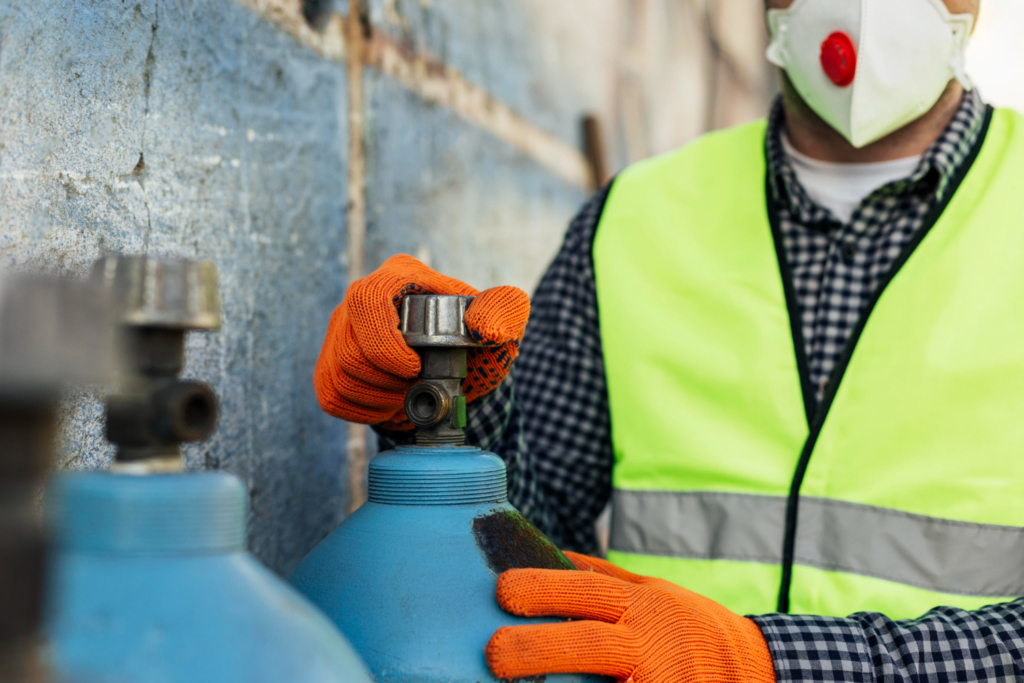
Gas detectors are an everyday part of working in high-risk environments, but that doesn’t mean they’re immune to errors. Workers rely on these devices to monitor the air quality around them, especially in enclosed or poorly ventilated spaces. A gas detector that provides inaccurate readings can put lives at risk, so knowing how to spot and respond to false alerts can make a big difference in keeping jobsites safe.
False readings don’t always mean the detector is broken. Sometimes, environmental factors or user habits can cause the device to behave in ways that are hard to understand. While it’s easy to blame faulty equipment, learning to identify where the problem starts gives you better control over the situation. Whether you’re new to using detection gear or it’s something you’ve handled for years, it’s worth revisiting what goes wrong and how to fix it without delay.
Understanding Gas Detectors And False Readings
Gas detectors play a big role in workplace safety. They’re designed to sense the presence and concentration of certain gases in the air, warning users before conditions become dangerous. This is especially important when gases are colourless or odourless, making them hard to notice without help. A well-working detector gives workers enough time to either leave the area or take action confidently.
But what happens when these detectors go off without a clear cause? Or worse, when they stay silent even though gas is present? That’s when you’re dealing with a false reading. A false positive can lead to panic or unnecessary work stoppages. A false negative, on the other hand, might allow dangerous conditions to go unnoticed, putting workers at risk.
Accurate readings are key to keeping trust in the tool. When workers understand how gas detection systems operate and what might trigger false alerts, they’re more likely to look out for signs early and react appropriately. For example, if a detector repeatedly shows high gas levels in a well-ventilated area, the issue might not be the air—it could be the sensor needing attention.
Common Causes Of False Readings
There are several reasons a gas detector might give misleading information. Identifying these causes helps teams avoid downtime and reduce confusion in the field.
1. Environmental Impact
– High humidity or extreme heat can interfere with sensor stability and produce unreliable readings.
– Dust, aerosols, or cleaning chemicals in the air can affect how the sensor performs.
– Some gases not meant to be detected by a specific sensor can still cause interference, triggering unexpected alerts.
2. Equipment-Related Issues
– Overdue calibration is one of the most common causes of false readings. If a sensor isn’t calibrated regularly, its accuracy drops.
– Worn-out or expired sensors can start reacting unpredictably, and internal electronics may also degrade over time.
– A low battery or general wear and tear on the unit can affect its consistency and reliability on-site.
3. User Habits And Handling
– Skipping checks before use can allow problems like low battery or clogged inlets to go unnoticed.
– Storing detectors in unsuitable conditions, such as damp rooms or vehicles exposed to heat, can make future readings less reliable.
– Failing to clean the detector or exposing it to impact can reduce its performance.
Imagine a scenario where a team leaves their detectors in a storage room over the weekend. If the room isn’t well ventilated and experiences temperature swings, the readings on Monday could be off. The detector might sound an alarm in clean air, causing confusion and wasting time unless the team remembers that environment matters.
Immediate Actions To Take When False Readings Occur
When a detector triggers unexpectedly, safety comes first. Even if you think it might be a false alarm, it’s important to treat the situation seriously. Missing a real hazard due to faulty assumptions can have dangerous consequences.
Here are the steps to follow:
– Stop work and move away from the affected area, especially if dangerous gases might be present.
– Use another gas detector if available to compare the results.
– Check the device externally for signs of damage, blocked air inlets, moisture, or dirt buildup.
– Review battery life and sensor indicators to rule out basic issues.
– Take the detector into an open-air environment to see if the reading returns to normal.
– Record the event details clearly, including time, location, initial readings, what steps were taken, and any outcomes.
Brushing off alarms because they “go off all the time” is risky. Every alert should be reviewed and reported properly. Even something small, like spraying a cleaning product nearby, can cause a false reading. Still, every instance is an opportunity for a correct response and improved awareness.
Preventive Measures To Minimise False Readings
No system is perfect. But when equipment is well maintained and used correctly, the number of false readings can be greatly reduced. Many false alarms are preventable with the right habits and regular attention.
Here’s what should become second nature:
– Follow a set schedule for calibration, based on manufacturer advice or internal safety guidance.
– Inspect and clean the device before each job. Look for dust, moisture, or debris buildup.
– Maintain a service log for each detector, recording tests and maintenance steps.
– Store units in dry, temperature-controlled spaces rather than areas that could damage internal components.
– Keep aerosol sprays, cleaning products, and similar chemicals away from active sensors.
– Perform daily bump tests to make sure each sensor is triggering as it should.
Training makes a huge difference here. When workers know what to expect from their detector and how to check for faults, they’re much more prepared. Even newer team members can develop good habits quickly if proper instruction is given from the start.
Ensuring Reliable Gas Detection Training in Perth
Knowledge is key when handling gas detectors. No tool can fully do its job if used without proper training. Skilled teams can tell the difference between a legitimate risk and a faulty alert, and that only comes from understanding how detectors work and how they can fail.
Enrolling in gas detection training in Perth means moving past basic operation. Workers are guided through advanced functions, reading patterns, field testing, and proper maintenance. The goal isn’t just to turn on the detector—it’s to trust what it’s saying and know what to do when something changes.
Here’s what a strong training program often includes:
– A look at how different sensors work, including what kinds of interferences to expect
– Key environmental factors that affect readings
– Steps for daily checks and how to conduct a bump test
– When recalibration is needed and how to do it
– Warning signs of faulty readings and what actions to take
When training mirrors the conditions workers face, lessons stick. A confident team reacts better, manages equipment more responsibly, and feels more secure in their surroundings.
Make Gas Detection One Less Thing to Worry About
False alarms slow things down and can lead to costly mistakes when ignored. When teams know how to respond and what to look for, false readings stop being an obstacle and start becoming a manageable part of the job.
It’s not just about avoiding errors—it’s about building confidence in your crew and the tools they use each day. With regular checks, smart habits, and the right training in Perth, your gas detection process becomes less of a guessing game and more of a reliable layer of safety.
Access Unlimited continues to support teams in high-risk environments with training that helps people stay sharp and prepared. When it comes to gas detection, knowledge makes every shift safer.
To maintain a high standard of safety on every jobsite, your team needs more than just reliable equipment—they need the right knowledge too. If you’re looking to improve your crew’s response and confidence in the field, consider enrolling in gas detection training in Perth. Access Unlimited offers practical, hands-on courses designed to ensure your workers stay sharp and ready for whatever conditions they face.