Managing Mask Seal Issues In Breathing Apparatus
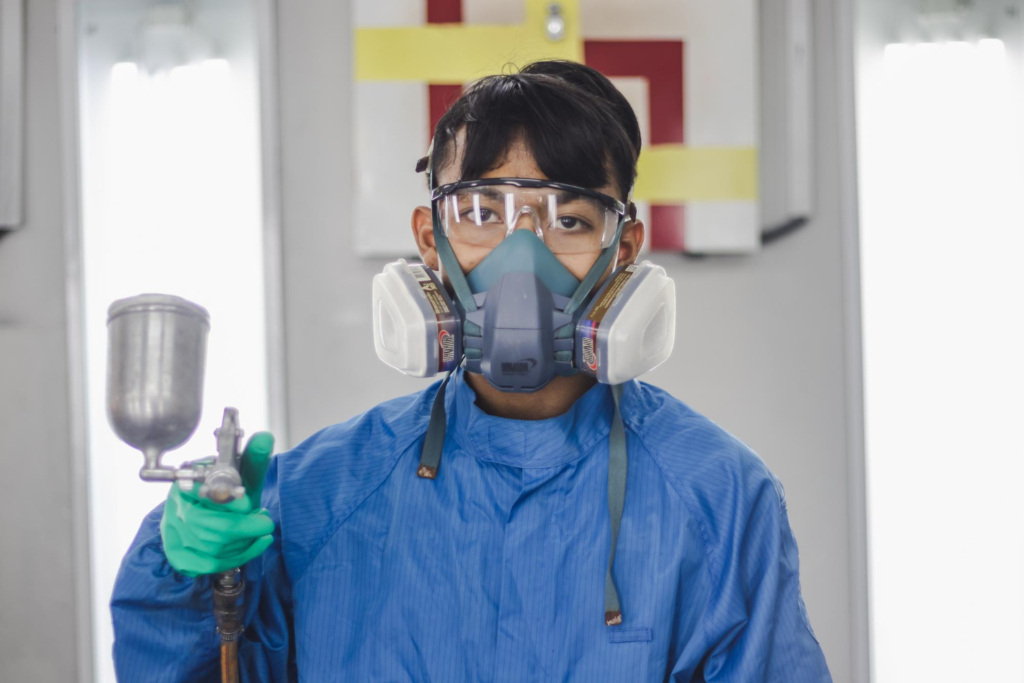
When working in environments where hazardous gases or low oxygen levels are possible, having the right equipment can make all the difference. A breathing apparatus plays a key role in keeping workers safe, but it’s only as reliable as the mask seal. If that seal fails, even briefly, it can put the user at serious risk. That’s why getting the mask fit right and knowing how to deal with seal issues are both critical skills.
During breathing apparatus training in Perth, we often see how easily things can go wrong when a mask isn’t fitted properly or the seal is compromised by something minor like facial hair or a crack in the equipment. These aren’t rare problems. They’re things many workers run into, and if not managed correctly, they can turn into serious safety hazards. Let’s go through what those issues are, how they happen, and what you can do about them.
Understanding Mask Seal Issues
A mask seal issue happens when the breathing apparatus face mask fails to create a proper seal around the user’s face. This leaves gaps where outside air can leak in. In work areas where clean air supply is crucial, like tank entries, confined spaces or fire response, a bad seal can let in dangerous gases or contaminate the breathing air. That’s why even the smallest issue with fit or mask condition needs to be addressed.
These problems can show up in different ways depending on the situation. Some common signs include:
– Feeling a leak of air around the edges of the mask during use
– Hearing hissing or whistling sounds from the seal area
– Fogged up visor, which may mean exhaled air is escaping the wrong way
– Discomfort around the face, which might mean the mask is misaligned or tightened unevenly
Sometimes, workers may adjust the mask mid-operation, thinking it just needs tightening. That can make the situation worse. Over-tightening can distort the mask shape or push it into an uneven position. On top of that, if a seal issue happens during a task, it might affect the wearer’s breathing pattern, focus and overall safety. This is why workers need to be trained to recognise the early signs and stop immediately if something feels wrong.
Common Causes Of A Poor Mask Seal
Understanding why a seal fails makes it easier to avoid problems later on. There are a few common causes that pop up during training and on job sites across Perth.
1. Bad Fit Or Wrong Size
Masks come in different sizes, but many people end up using a one-size-fits-all model without checking the fit properly. An ill-fitting mask won’t seal evenly and can bubble or lift under pressure.
2. Facial Hair Or Irregularities
Beards, stubble or deep scars can break the even contact needed between the skin and mask. Even a small patch of stubble can disrupt the seal enough to compromise protection.
3. Mask Maintenance Issues
Masks aren’t immune to wear and tear. Cracks in the facepiece, scraped sealing edges or a stretched headband can all reduce the performance of an otherwise well-fitted mask. Sometimes, the silicone or rubber materials start to harden or warp with age, making a good seal impossible.
4. Incorrect Donning Techniques
Quickly throwing on a mask without checking alignment or strap tension often leads to small leaks. Skipping basic steps during donning is one of the easiest ways to create a seal problem.
Learning how to spot these causes and deal with them early is one of the most helpful parts of any hands-on breathing apparatus training. It lets workers focus on safety instead of dealing with emergencies later.
How To Prevent Mask Seal Issues
Preventing mask seal problems starts before the mask even touches your face. The foundation is built during training, where workers should learn how to wear and check the gear properly. A rushed fit or missed step can quickly lead to seal failures, so practising the full process counts. Training should go beyond theory. It needs to involve real scenarios, different face shapes and common obstacles like glasses or facial hair.
Regular equipment checks also play a big part. Masks that are cracked, warped or dry around the sealing edge can’t hold pressure. You’ll want to inspect the mask each time it’s used, looking closely for things like:
– Split or worn-out straps
– Hardened or sticky rubber parts
– Dirty or oily seals
– Bent or twisted mask frames
Along with this, daily conversations and feedback during exercises matter just as much. If someone smells something strange while wearing the mask or notices a tiny gap, they should feel safe enough to speak up. Quick comments from team members might help spot a failing strap or a poor fit you didn’t catch yourself. It’s this kind of awareness during group sessions that makes everyone better prepared when working on live sites.
Workers also benefit from learning about what doesn’t work. For example, masking tape or plastic wrap is never an alternative to a proper seal, but someone trying to fix an issue on-site might be tempted. Talking about these missteps openly during training helps drive home why proper technique and reliable gear come first.
Steps To Take When A Mask Seal Fails
When a seal issue shows up during active use, the correct response should be second nature. That’s why it’s practised in breathing apparatus training. If unsure steps are taken or the issue is ignored, the worker risks exposure to hazardous air. The pressure of the moment can make people skip steps or panic, so muscle memory through repetition is the key.
Here’s what every trained worker should know to do:
- Stop what you’re doing immediately and move to a safe area or fresh air zone if available
- Avoid removing the face mask in a compromised space. If safe retreat isn’t possible, follow air management procedures
- Identify whether the issue came from strap slippage, dirt on the seal or physical damage
- Communicate clearly with your team or control room about the issue
- Once in a safe place, remove the mask, inspect it and note what failed. Don’t just put it back on without checking
Every mask incident should be logged. It helps identify whether similar issues are happening across teams and whether any patterns need to be addressed, like poor storage methods or incorrect fitting from a certain model. What might seem small can become a wider problem if it’s left untracked.
Train Like It’s Real
The goal of breathing apparatus training in Perth isn’t just box-ticking. It’s to make sure people can handle unexpected issues with calm and skill. Mask seal problems aren’t rare. They come from real, daily scenarios. Someone forgot to shave, grabbed the wrong size or didn’t notice a crack from the last use. When workers understand how these issues start and how to fix them, they’re in a better position to protect themselves and others.
Perth job sites have their fair share of risks, and conditions can change quickly. Whether working near chemicals, fire or low-oxygen zones, having the confidence to trust your gear and your training makes a difference. It’s that trust gained through repeated practice that keeps everyone safer. A strong training program should mirror the realities people face out on the job, not just what’s in a textbook. That’s where confidence comes from. Doing it, seeing it, fixing it and being ready for it again.
Empower your team with the confidence and skills needed to manage any unexpected issues on the job. Our expert-led breathing apparatus training in Perth gives your workforce practical knowledge and hands-on experience to respond safely and effectively. With Access Unlimited, you’ll know your crew is ready to take on even the toughest site conditions. Learn more about how we can support your safety goals today.