
Managing Physical Fatigue During Tower Climbing
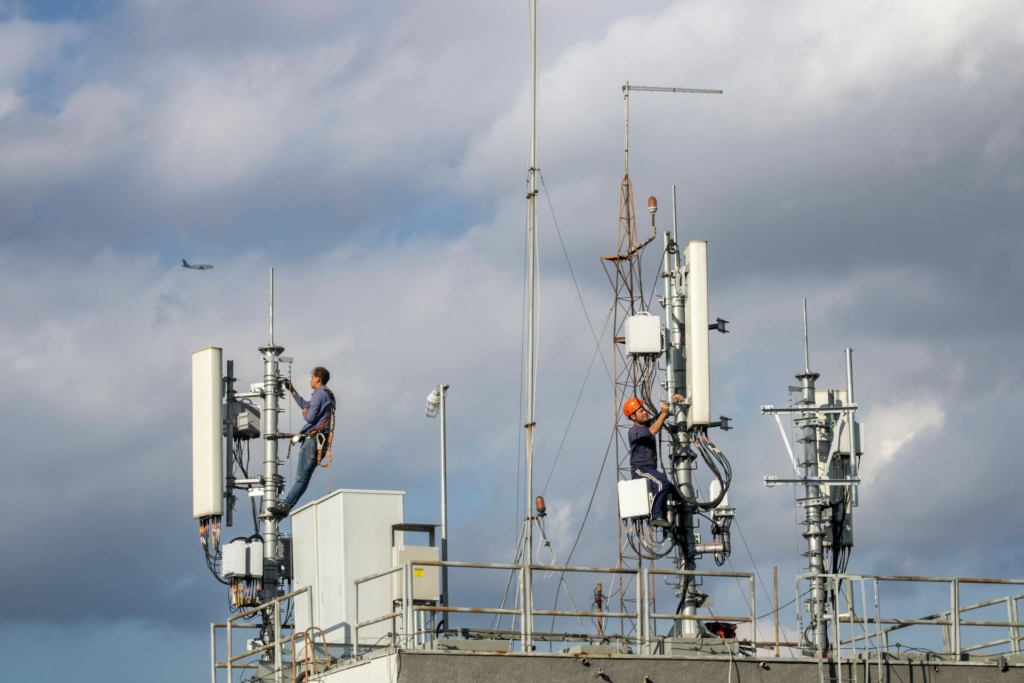
Climbing towers isn’t just physically demanding — it’s exhausting if you’re not prepared. Between the height, the gear, and the repetitive movement, it can drain your energy faster than expected. Whether you’re doing a short maintenance task or working long hours at height, managing physical fatigue is a key part of staying safe. When you’re worn out, your grip weakens, your focus drops, and the chance of mistakes rises.
Reaching the top is only part of the job. Staying alert and able to move safely while you’re up there takes just as much effort. Understanding how to look after your body before, during, and after every climb makes a big difference. The more consistent you are with good habits like rest and hydration, the steadier and safer your work will be.
Understanding Physical Fatigue
Physical fatigue is your body’s warning sign. It’s when your muscles lose strength, your grip begins to slip, and your reaction time slows down. For those climbing towers, these changes might seem small at first, but they can quickly lead to dangerous situations. Even a small delay in decision-making or movement can be enough to cause a misstep.
Keep an eye out for these signs of fatigue:
– Sluggish or delayed movements
– Losing concentration or zoning out
– Muscle shaking or burning during simple tasks
– Reduced grip, especially on rungs or tools
– Breathing that becomes shallow or fast too quickly
Recognising these signals early helps you avoid pushing past your limits. It’s common to see climbers trying to push through tiredness, often compensating with poor form or skipping handholds. That not only increases the risk of falling but also leads to longer recovery times.
Fatigue shows up differently for everyone, so it’s important to listen to your body. Pay attention to when your muscles start feeling slow or when your focus slips. Being honest about your condition helps protect both you and others around you.
Preparation Before The Climb
A strong and safe climb starts before you even leave the ground. If you’ve had poor sleep or no proper meals, your body starts off at a disadvantage. Preparation doesn’t have to be complicated. It’s really about setting up good habits that support your energy and focus.
Here are some simple but helpful steps before you climb:
– Get proper rest every night. Climbing on low sleep wears you down quickly.
– Eat balanced meals. Carbs, protein, and healthy fats are great for lasting energy. Avoid greasy or heavy food right before work.
– Do a proper warm-up. Move your shoulders, hips, legs, and wrists to loosen up.
– Take a few minutes to do deep breathing. It helps calm your nerves and get your body ready.
– Mentally review your climb. Know the structure, the gear, and the task ahead to reduce uncertainty and unnecessary effort.
These habits aren’t about being perfect. They’re about giving your body what it needs to function well in a high-risk setting.
Techniques To Manage Fatigue During The Climb
Once you’re climbing, how you move matters just as much as how you prepared. Managing fatigue while working at height starts with consistency and awareness.
Pacing is often forgotten, especially when there’s time pressure or other people watching. But climbing to someone else’s rhythm adds stress. Knowing your pace and respecting your limits keeps your energy stable and muscles engaged in the right way. Short sprints or stop-start climbing patterns take more out of you than steady movement.
Good technique helps spread the workload across your whole body. Keep close to the tower and let your legs do their share rather than relying too much on your arms. Rotate movement between limbs when possible, and avoid stiff or locked positions for long periods.
Staying hydrated is just as important. In Perth’s heat, fluid loss can sneak up fast while you’re harnessed up and focused. Thirst is already a late-stage signal, so plan your drinking around regular breaks. Drink small sips at a time instead of chugging water all at once.
Save this quick list for climbing days:
– Climb at a pace that suits your breathing and movement
– Alternate load between arms and legs when possible
– Keep your body close to the structure to limit strain
– Take short breaks to stretch if on secure platforms
– Drink water regularly, not just when thirsty
These actions don’t take much time. But they prevent bigger problems before they start.
Post-Climb Recovery Techniques
Once you’re back on the ground, it’s tempting to sit down and switch off. But your body still needs attention. Recovery helps your muscles heal and stay ready for the next time you’re on a tower.
Start with gentle movement to cool down. Simple stretches like forward bends, quad pulls, or shoulder circles help your muscles return to rest smoothly. Let your breathing slow by taking a short walk or moving lightly for a few minutes.
Refuel with nutritious food. A post-climb snack or meal that includes protein and natural carbohydrates supports recovery. Drinking water or electrolyte-rich fluids also helps balance hydration levels again. Try to avoid reaching for quick sugar hits or caffeine, which can delay proper recovery.
To keep things running smoothly throughout the day:
– Don’t lift anything heavy after climbing unless needed
– Warm showers help with blood flow and soreness
– Evening stretching before bed resets stiff areas
– Always eat a meal after climbing, even if you’re tired
These steps are especially useful if you’re scheduled for several climbs that week. Neglecting recovery leads to fatigue build-up, which only makes each climb harder and more dangerous.
Staying Steady for the Long Climb
Fatigue doesn’t just hit your muscles. It affects your sharpness, reactions, and ability to think safely while working at height. Managing your energy is about being consistent, not just stronger. Skipping proper rest or pushing too long through tiredness adds more risk than reward.
Safe climbing starts with building the right habits. Preparation, pacing, hydration, and recovery are all simple areas that can improve your performance and reduce your risk. Every smart decision adds up.
In Perth, where heat and exposure increase daily strain, it’s even more important to stay in tune with your body and stay physically prepared. When you treat each climb like a process — not just a task — your shots at staying safe and efficient go way up.
Access Unlimited’s tower climbing safety training gives you the tools and knowledge to stay alert, steady, and prepared every time you suit up for the job.
Looking to improve your stamina and focus while working at height? Access Unlimited offers tower climbing safety training designed to help you move smarter and reduce the risk of fatigue on every climb. Build safer habits and stay confident in challenging conditions with guidance from our experienced team.