
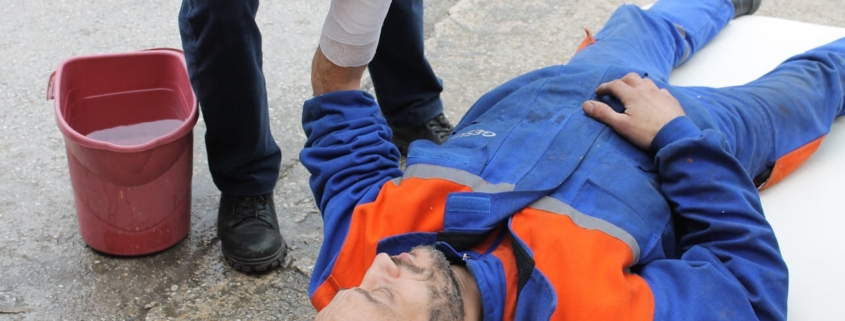
Rescue A Fallen Worker

Rescuing a fallen worker is a critical task that requires calmness and precision. Imagine you’re on a construction site, and suddenly a colleague falls and is suspended by their harness. Knowing what steps to take next can make a big difference. This isn’t just about quick response; it’s about ensuring the safety of both the rescuer and the worker. Understanding the process helps prevent further injuries and promotes a safe working environment. It’s always better to be prepared for these situations, as they can arise without warning.

Let’s explore why having the right knowledge and training is so important. In today’s fast-paced work sites, accidents can happen unexpectedly. Being prepared empowers you to take action swiftly and safely. Whether you’re involved in site management or work at heights regularly, having a sound rescue strategy is vital. This means being familiar with the necessary equipment and knowing how to use it efficiently.

Understanding the Risks

Fallen worker incidents can occur in many sectors, from construction sites to warehouses with high shelving or beam structures. Workers often face risks when working at heights or in complex environments, leading to potential falls. Understanding these scenarios helps anticipate and mitigate risks.

Here are some common situations where workers might fall:

– Unstable Scaffolding: Workers face risks if scaffolding is not properly constructed or inspected.

– Improper Harness Use: A harness is a safety tool, but incorrect use or attachment can lead to falls.

– Slippery Surfaces: Wet or uneven surfaces increase the likelihood of slips and falls.

– Poor Visibility: Limited visibility due to lighting or weather can contribute to accidental missteps.

The consequences of improper rescue techniques can be severe. Not only does it put the fallen worker at greater risk, but it can also endanger the rescuer. Panic, rushing, or using incorrect techniques can cause additional harm. Knowing the right approach ensures that everyone involved remains as safe as possible.

Preparing for a Rescue

Preparation is a crucial part of any rescue operation. It starts with having the right gear on hand and knowing how to use it. Key items include harnesses, helmets, ropes, and communication devices. Each piece plays a role in ensuring a safe and successful rescue.

– Harness and Lanyard: These keep the worker secure during recovery.

– Rescue Rope: Used for lowering or raising a fallen worker safely.

– Helmet: Protects against any additional falling debris.

– Communication Devices: Ensures clear coordination between team members during a rescue.

Equally important is the development and understanding of a comprehensive rescue plan. Having a clear plan helps everyone involved know their roles and responsibilities, minimising chaos in an emergency. Regular training and drills reinforce team readiness, ensuring that actions are swift and efficient when a real incident occurs. Remember, a well-prepared rescue team is more likely to carry out a safe and effective recovery, reducing risks for everyone involved.

Step-by-Step Rescue Procedure

Executing a rescue requires a clear and structured approach. Each step in the process must be carefully followed to ensure the safety of everyone involved. Here’s how to carry out a safe rescue:

1. Assess the Situation: Before jumping in, look at the overall situation. Ensure that the area is secure and there are no immediate hazards like loose equipment or overhead dangers.

2. Communicate with the Worker: If the worker is conscious, talk to them. Reassure them and try to assess their condition. Understanding their state helps you plan your actions.

3. Assemble Your Team: Make sure everyone knows their role. Assign tasks like securing the area, handling equipment, or contacting emergency services if needed.

4. Use Proper Equipment: Once everything is set, use the appropriate gear like ropes, harnesses, and pulleys to reach the worker. Avoid shortcuts that might compromise safety.

5. Perform the Rescue: Carefully lower or raise the worker to safety. Make sure movements are calm and controlled to avoid further injury.

Safety considerations are paramount. It’s important to avoid rushing, which can lead to mistakes. Clear roles and communication are key in maintaining order during the rescue.

Post-Rescue Protocol

Once the rescue is complete, it’s not time to relax just yet. Certain steps should be taken to address the next phase of care. Immediate actions following the rescue are crucial in ensuring the wellbeing of the worker and learning from the incident.

– Medical Evaluation: Ensure that the worker is evaluated by medical personnel. Even if they appear unharmed, a professional assessment is necessary to rule out hidden injuries.

– Incident Documentation: Thoroughly record the incident’s details. Include the time, location, what occurred, and actions taken. This documentation is important for understanding what happened and improving future safety protocols.

– Debrief the Team: After the incident, gather the team to discuss what went well and what could be improved. This helps in refining rescue strategies and preparing for future situations.

Stay Safe with Proper Training

Regular training and drills are fundamental to maintaining readiness. When a team is well-trained, they respond more effectively under pressure. This not only enhances the safety of the workers but also boosts confidence across the team.

Consistent training allows rescuers to stay familiar with techniques and equipment, reducing the chances of errors during actual incidents. It’s beneficial to work with experts who can provide guidance and ensure you’re following best practices. With this level of preparation, you’ll be ready to manage emergencies with skill and care.

By understanding risks, preparing thoroughly, and executing each step with precision, you greatly enhance safety outcomes during a rescue. It’s all about being equipped with knowledge and skills to react efficiently when seconds matter most.

Enhance your team’s emergency response capabilities with specialised rope rescue training provided by Access Unlimited. Our expert-led courses equip you with the skills and confidence needed to perform safe and effective rescues. Stay ready for any challenge by investing in comprehensive training today. Let us help you build a safer work environment.
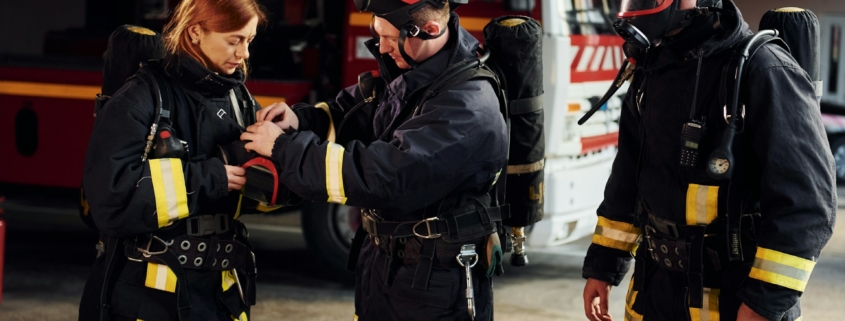
fire apparatus

Breathing apparatuses play a key role in ensuring safety, especially in situations where the air quality is compromised. These pieces of equipment are crucial for protecting individuals who work in environments with harmful gases, smoke, or low oxygen levels. Whether you’re a firefighter entering a smoke-filled building or a worker in a confined space, knowing how to operate a breathing apparatus effectively can make all the difference.

We’ll explore practical tips that help users operate breathing apparatuses safely. From understanding the equipment itself to knowing the best practices for maintaining and using it, these insights will prepare you to handle critical situations with confidence.

Understanding Your Equipment

Before using any breathing apparatus, it’s important to grasp the types available and their specific purposes. Generally, there are two main types: Self-Contained Breathing Apparatus (SCBA) and Supplied Air Respirators (SAR). SCBA is often used by firefighters and scuba divers, offering users independent oxygen sources. SAR, on the other hand, relies on a hose connecting the wearer to an outside air supply and is common in industrial settings.

Each breathing apparatus comes with several parts that serve specific functions:

– Cylinder or tank: Stores the air or oxygen supply.
– Facepiece: Covers the mouth and nose to provide a seal.
– Regulator: Controls the air flow.
– Harness: Holds the apparatus securely on the user’s body.

Knowing the function of each component can improve both safety and comfort in the field. For instance, imagine a situation where a construction worker is inspecting a tight underground space. In such a scenario, using the right apparatus ensures they have a sufficient air supply and maintain comfort throughout their task.

Understanding these basics is just the start. It’s vital to familiarize yourself with the equipment you’ll be using well before any emergency or operational use. Handling these devices with confidence stems from knowing how each part works — from the snug fit of the facepiece to the adjustments needed when donning the harness. Proper knowledge and training lead to effective operation, ensuring personal safety when facing hazardous conditions.

Pre-Use Checks

A thorough inspection of your breathing apparatus can prevent potential hazards. Before each use, examine the equipment for signs of wear or damage. This includes looking over the cylinder for any dents or leaks, checking the hose connections, and ensuring the regulator functions properly. Your safety might depend on these small checks that make a big difference.

Follow a simple checklist to make sure nothing is overlooked:

– Verify the facepiece is clean and free from cracks.
– Confirm the cylinder is at full capacity, providing enough air for the task.
– Inspect the harness for any frayed straps or broken buckles.
– Test the alarm system, if included, to ensure it will properly alert you when air levels are low.

Each check ensures that the equipment will work reliably during use. Regular inspections not only instil confidence but also mean you’re ready to react swiftly if problems arise. Imagine it like preparing for a bike ride — you wouldn’t pedal away without making sure the tyres are inflated and the brakes work. Similarly, conducting pre-use checks on your breathing apparatus confirms that you can count on it when conditions get tough.

Proper Usage Techniques

Donning a breathing apparatus correctly is just as important as the pre-use checks. Start by ensuring you wear the facepiece snugly. It should seal tightly against your face to prevent any air leaks. Adjust the straps evenly to avoid discomfort during extended use. Remember, a well-fitting facepiece is key to ensuring you breathe only clean air.

Here’s how to ensure a proper fit:

1. Place the facepiece over your nose and mouth, pulling the harness over your head.
2. Tighten the straps from the bottom up, making sure the mask sits evenly.
3. Conduct a seal check by blocking the air inlet and inhaling — if the mask pulls inward slightly, you’ve got a good seal.

Pay attention to your breathing technique as well. Breathe deeply and steadily to maximise the efficiency of your air supply and maintain comfort. Experienced users often find that consistent practice makes wearing and adjusting the equipment second nature, much like how you instinctively adjust a life jacket for a snug fit before launching into the water.

Maintenance and Storage

After use, care for your breathing apparatus meticulously to keep it in top shape for the next time it’s needed. Regular maintenance plays a huge role in extending the equipment’s lifespan and reliability. Clean the facepiece with warm, soapy water and dry it thoroughly. Check and replace any parts that are damaged or worn out.

Proper storage also matters:

– Store the apparatus in a clean, dry area away from direct sunlight and extreme temperatures.
– Ensure the cylinder is not left in a discharged state.
– Keep the equipment in a designated storage bag or case, free from dust and pollutants.

Following these storage guidelines prevents unnecessary wear and tear. It’s like caring for a favourite tool in your shed — when stored properly, it’s always ready to function perfectly when you need it.

Training and Practice

Understanding equipment and maintenance is vital, yet continuous training ensures you’re always ready to use your breathing apparatus effectively. Regular sessions fine-tune your skills, offering confidence during high-pressure situations. Emphasizing practice isn’t just about equipment familiarity; it highlights how quickly you react under stress.

Participating in training sessions in Perth will enhance your skills, keeping you prepared for whatever comes. Practicing equipment use refines techniques for the wear, seal adjustment, and emergency response. Compare it to rehearsing a dance. As frequent practice enhances performance, regular equipment use ensures proficiency.

Mastering breathing apparatus use means prioritizing regular, improved training. These sessions provide opportunities to try new techniques and optimize existing ones, cultivating preparedness. When you’re well-prepared, responding calmly and effectively in emergencies becomes natural, leading to safer and smoother operations.

To make sure you’re fully prepared when working with these essential tools, consider enrolling in specialised breathing apparatus training in Perth. Access Unlimited provides expert training that helps enhance your skills so you can respond confidently and safely in any critical situation. Investing in this training means you’ll be ready to face challenges head-on with the right techniques and knowledge.